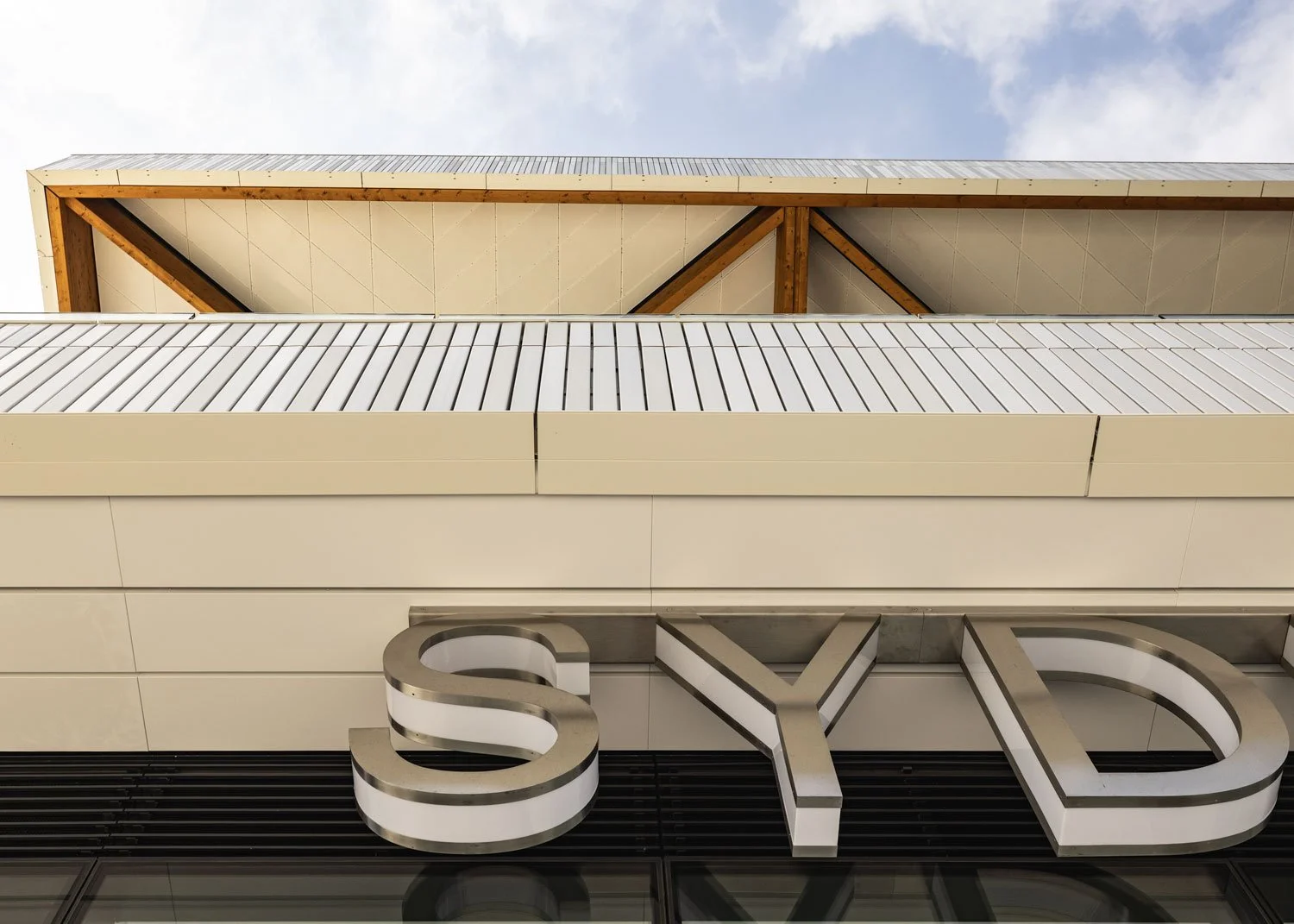
Sydney Fish Market, Australia

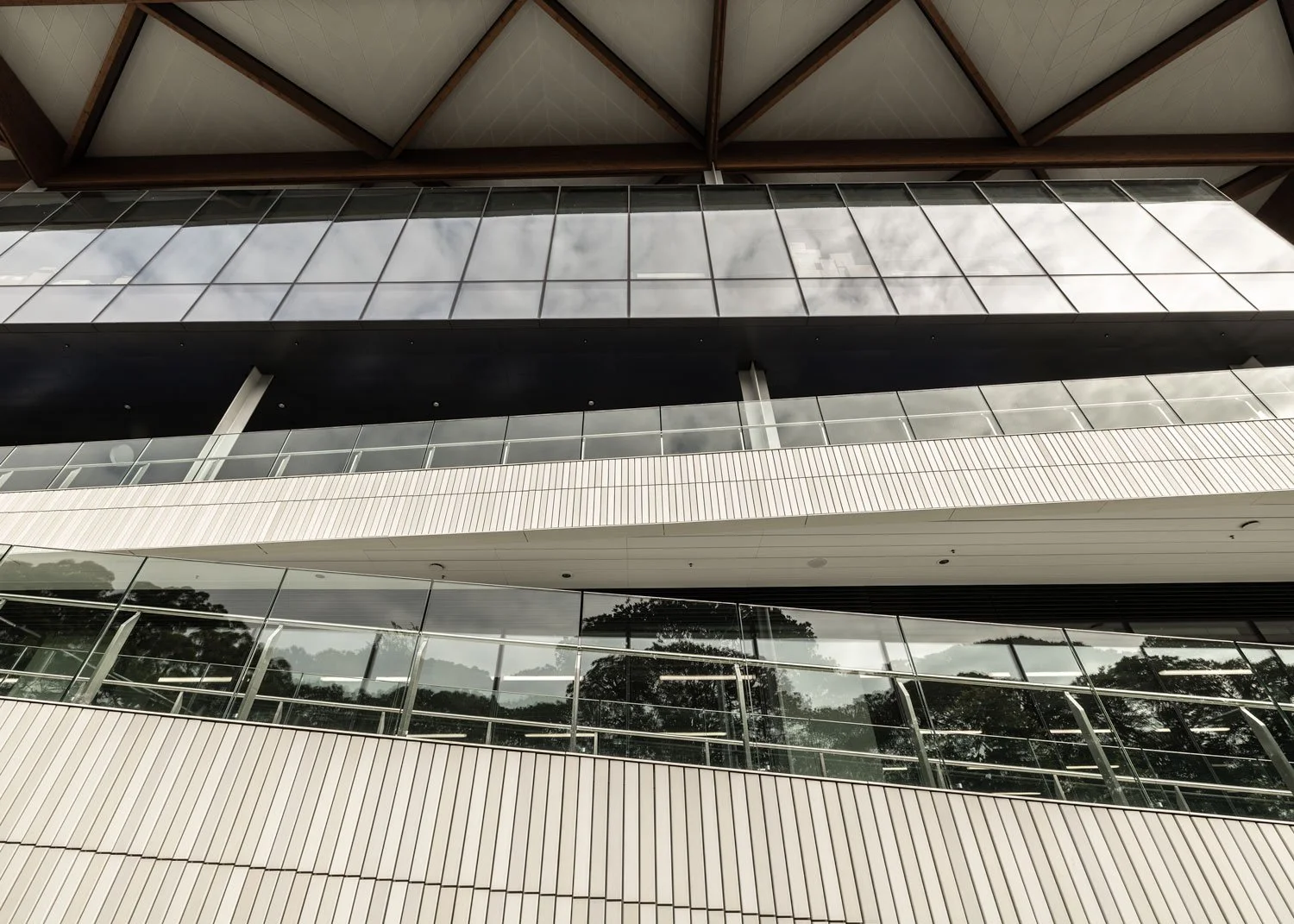
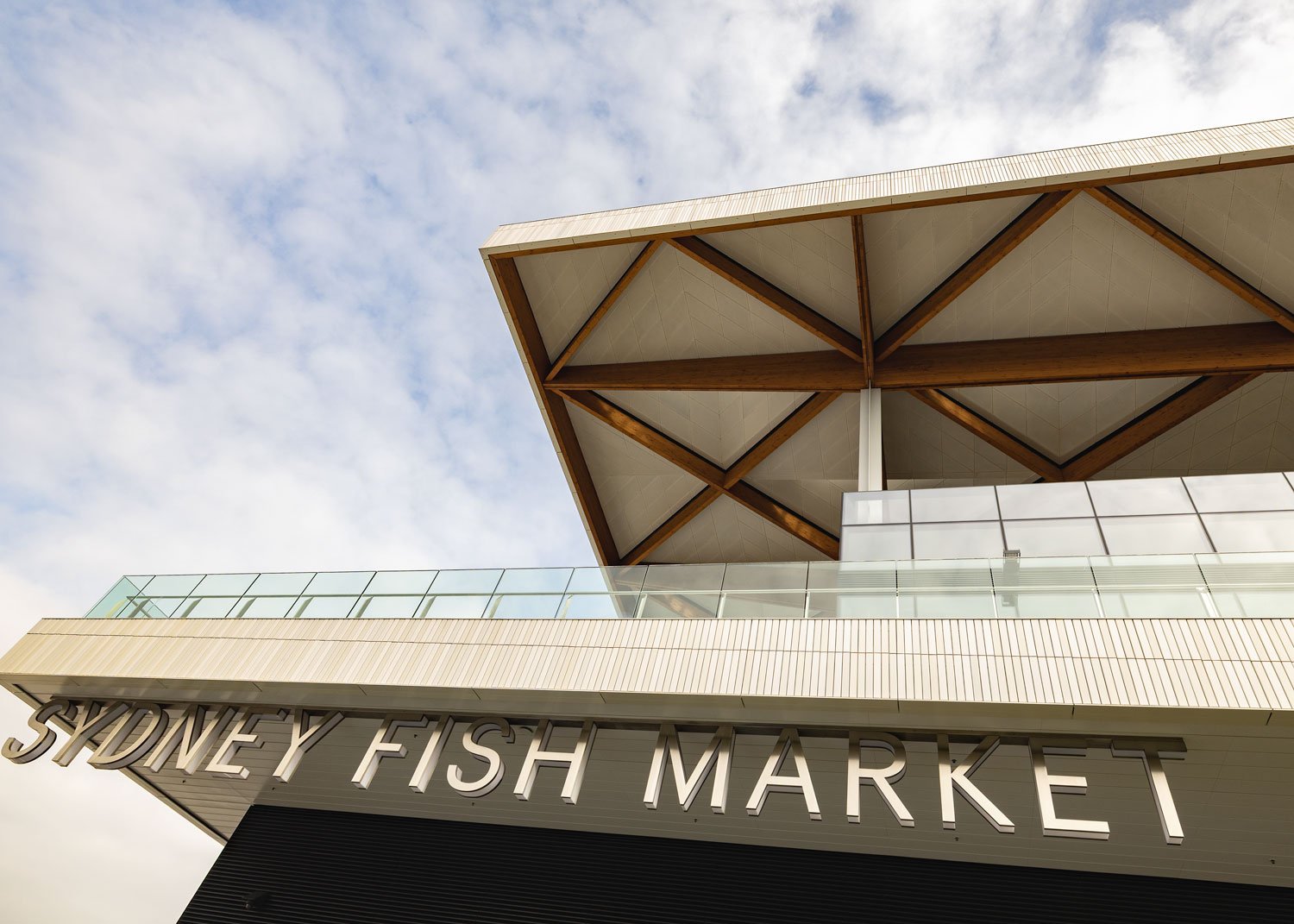
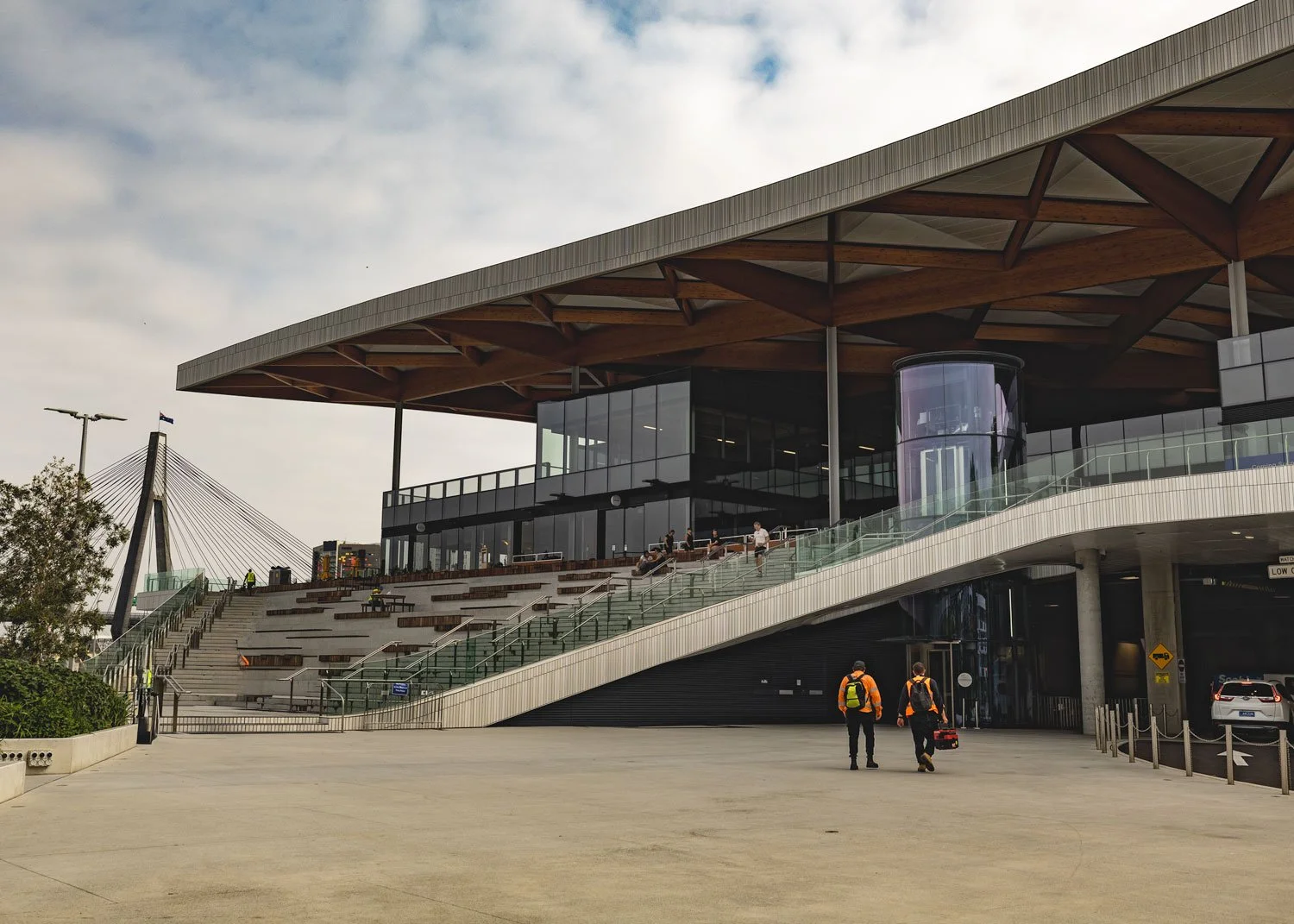
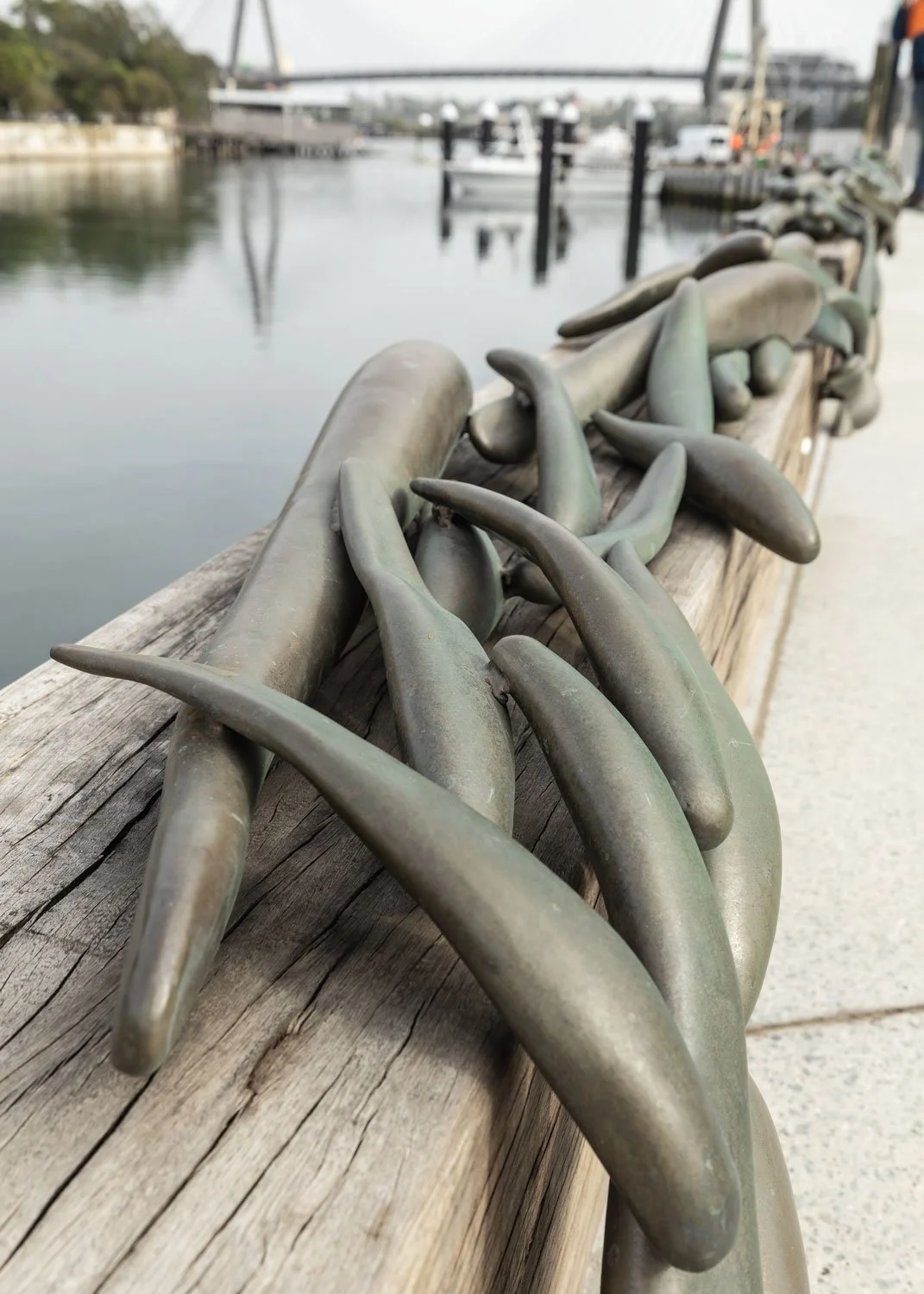
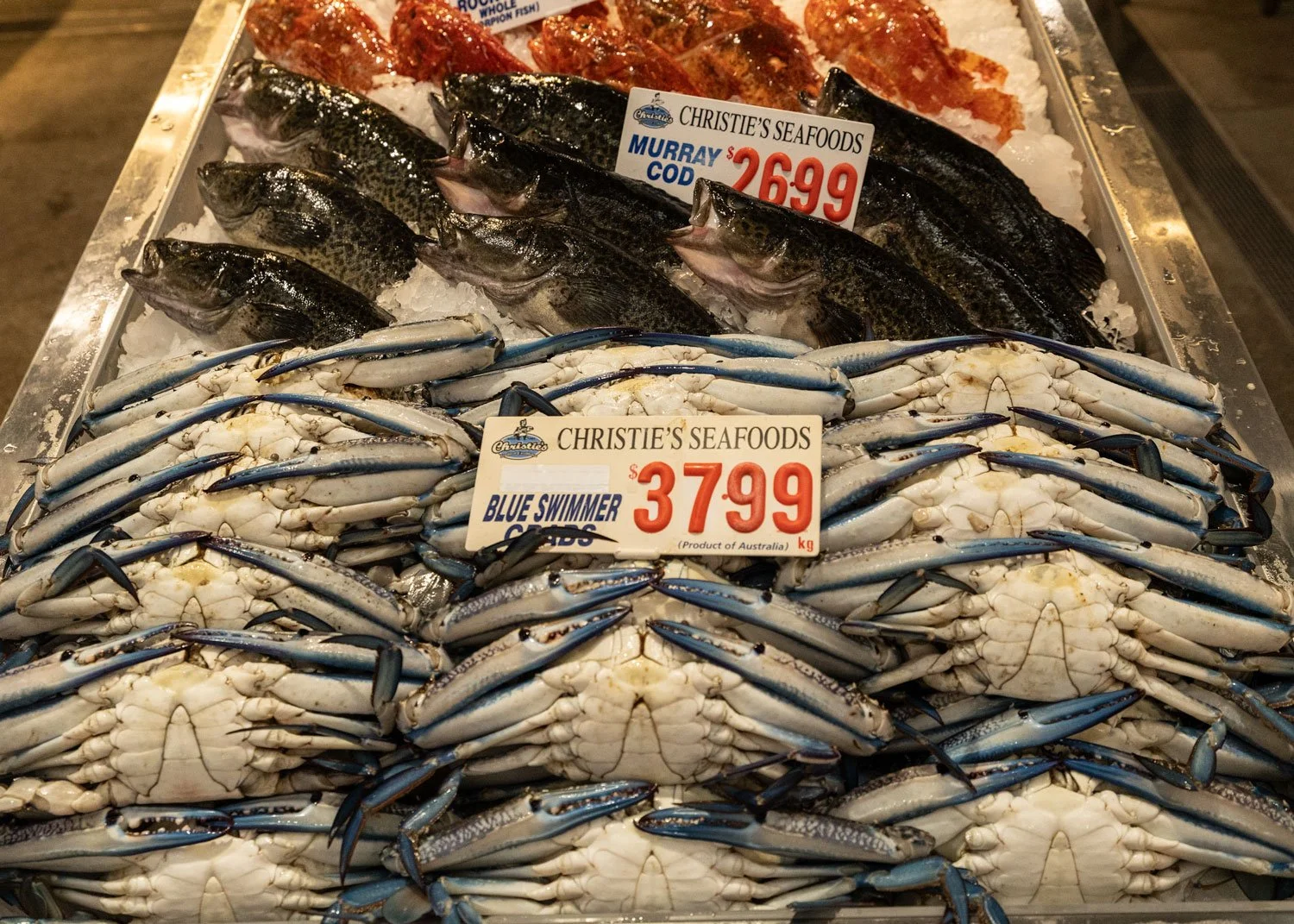
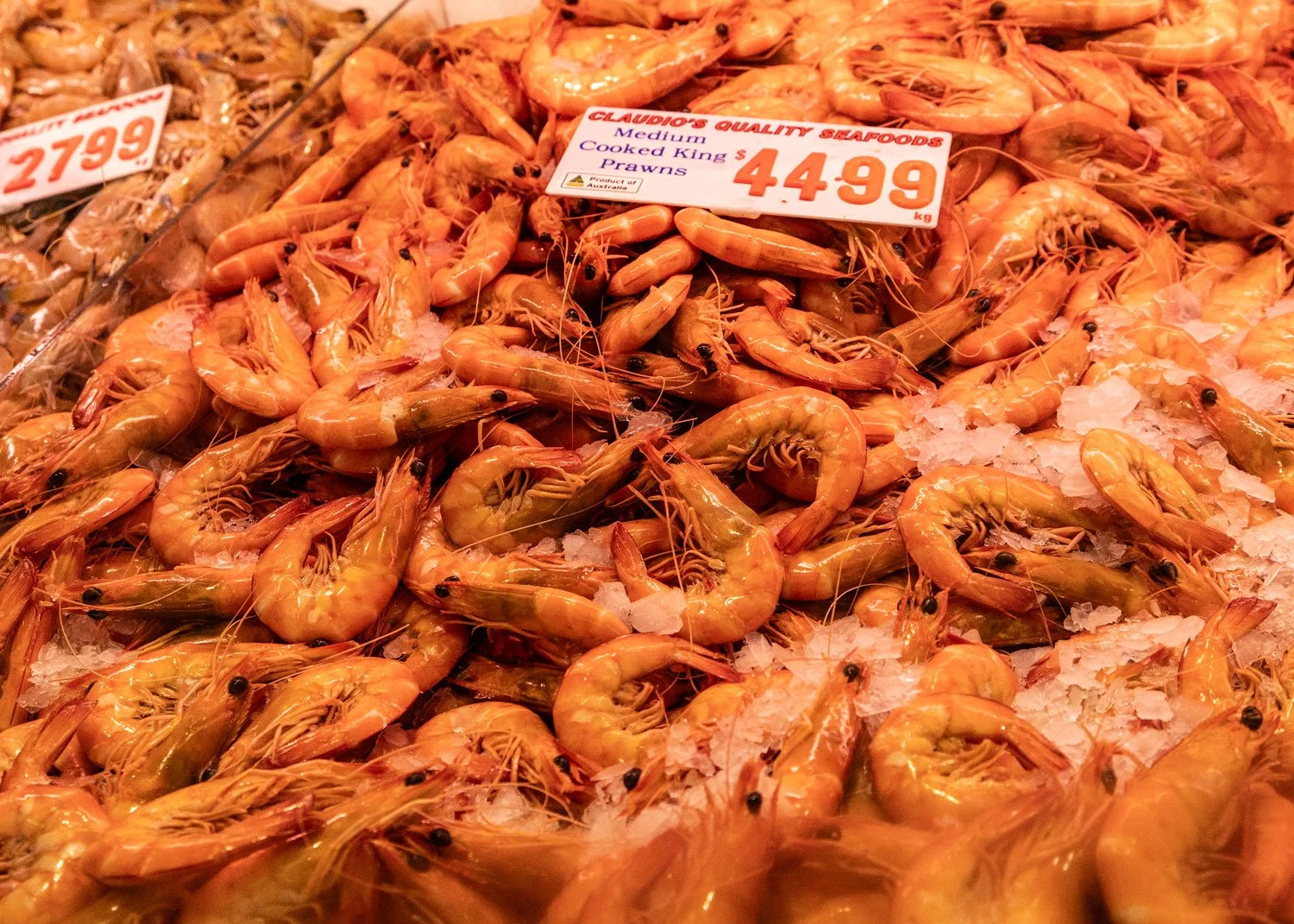
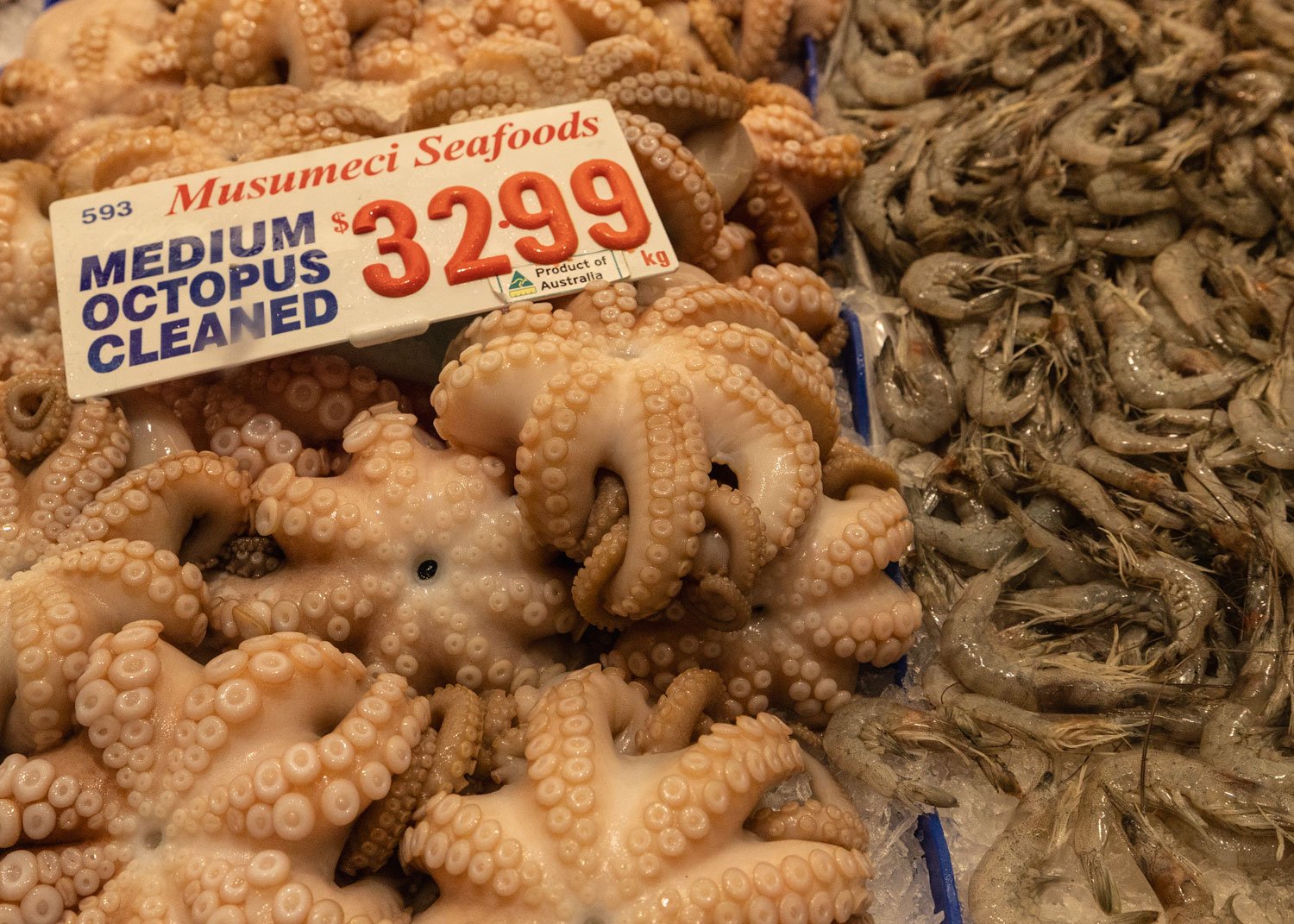
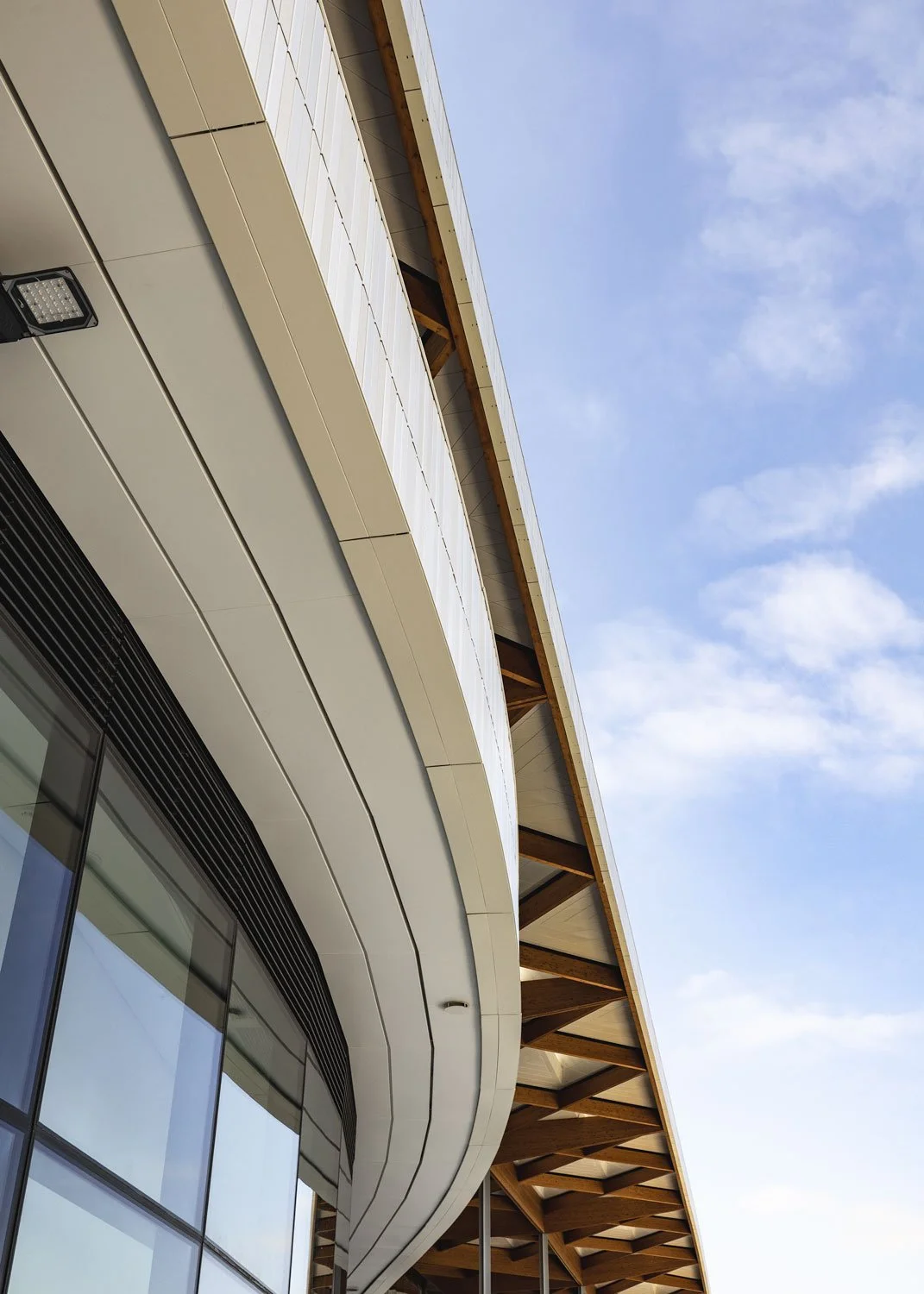
When I was planning my recent Sydney trip I was of course searching for interesting things to photograph architecturally and when I read that the new Sydney Fish Market had just opened its doors, I had to have a look. I went with a fellow architecture photographer Kathy Wallace and we booked into a small guided tour to learn more about it.


Fun facts: Sydney Fish Market is the third largest in the world by volume (and the largest in the Southern Hemisphere). It features over 40 retail and food/coffee outlets and is expected to attract over 6 million visitors annually. It’s also the third major landmark on Sydney Harbour (after the Opera House and Harbour Bridge). It uses state of the art technology in its auction room and provides more than 50,000kg of ice daily.

The Dutch Clock Auction system has been used here since 1989 (bids get lower, not higher!) and each weekday morning at 0430 is when auctioning begins with 100 buyers. Around 20 tonnes of over 100 seafood species are sold every hour. (TIP: one of the tours running here allows you to come inside the auction room and see how it all works….fascinating!).


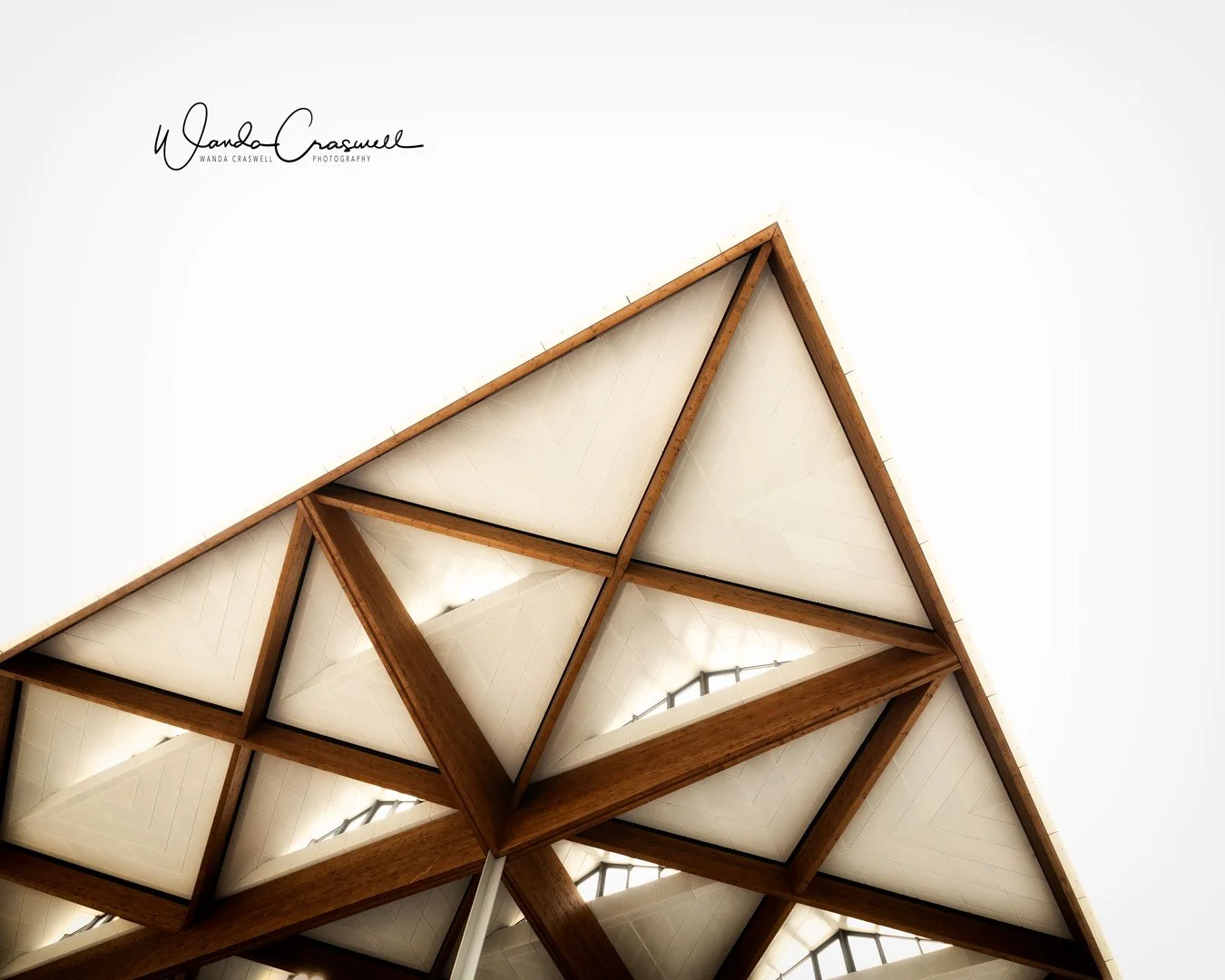
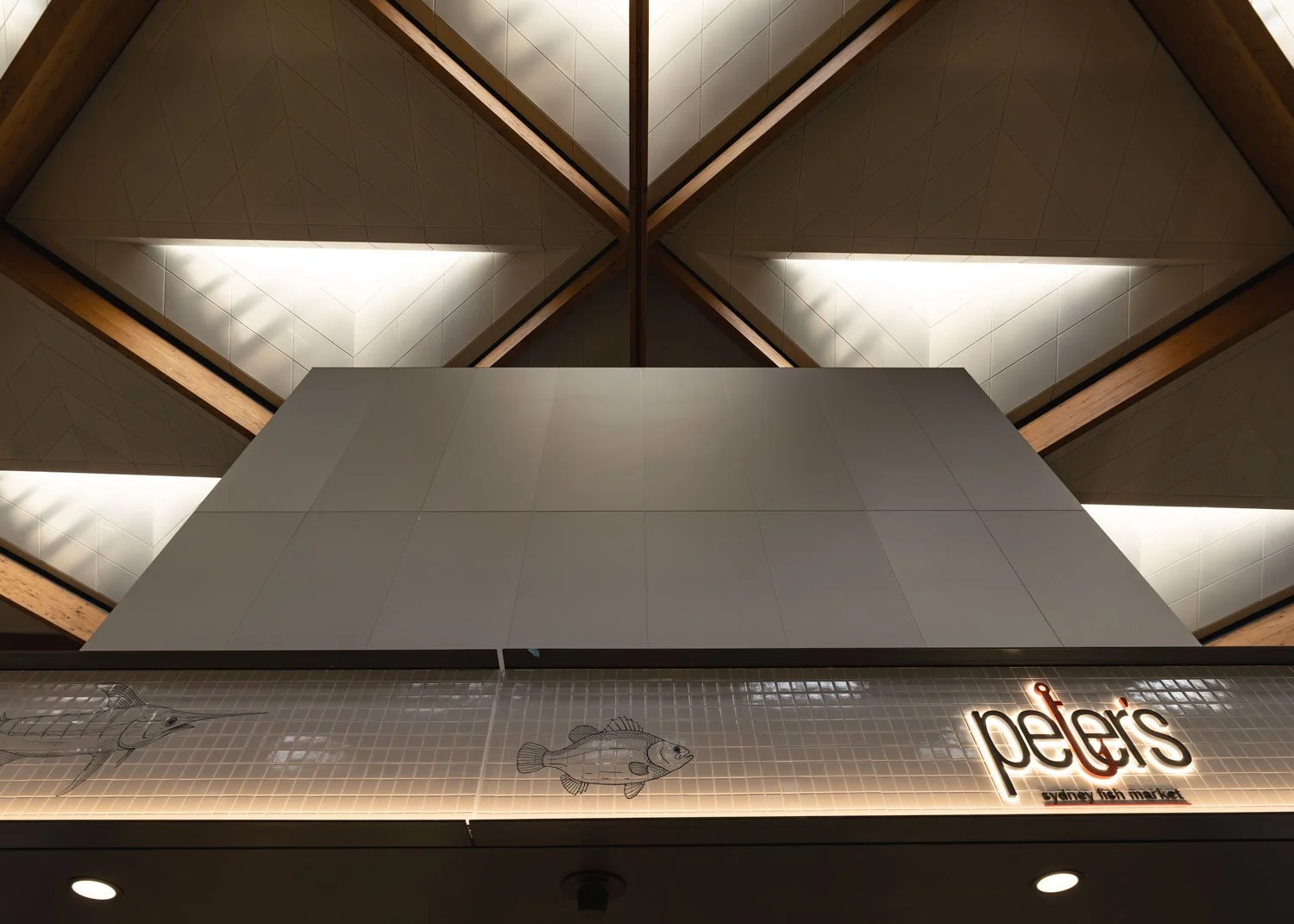
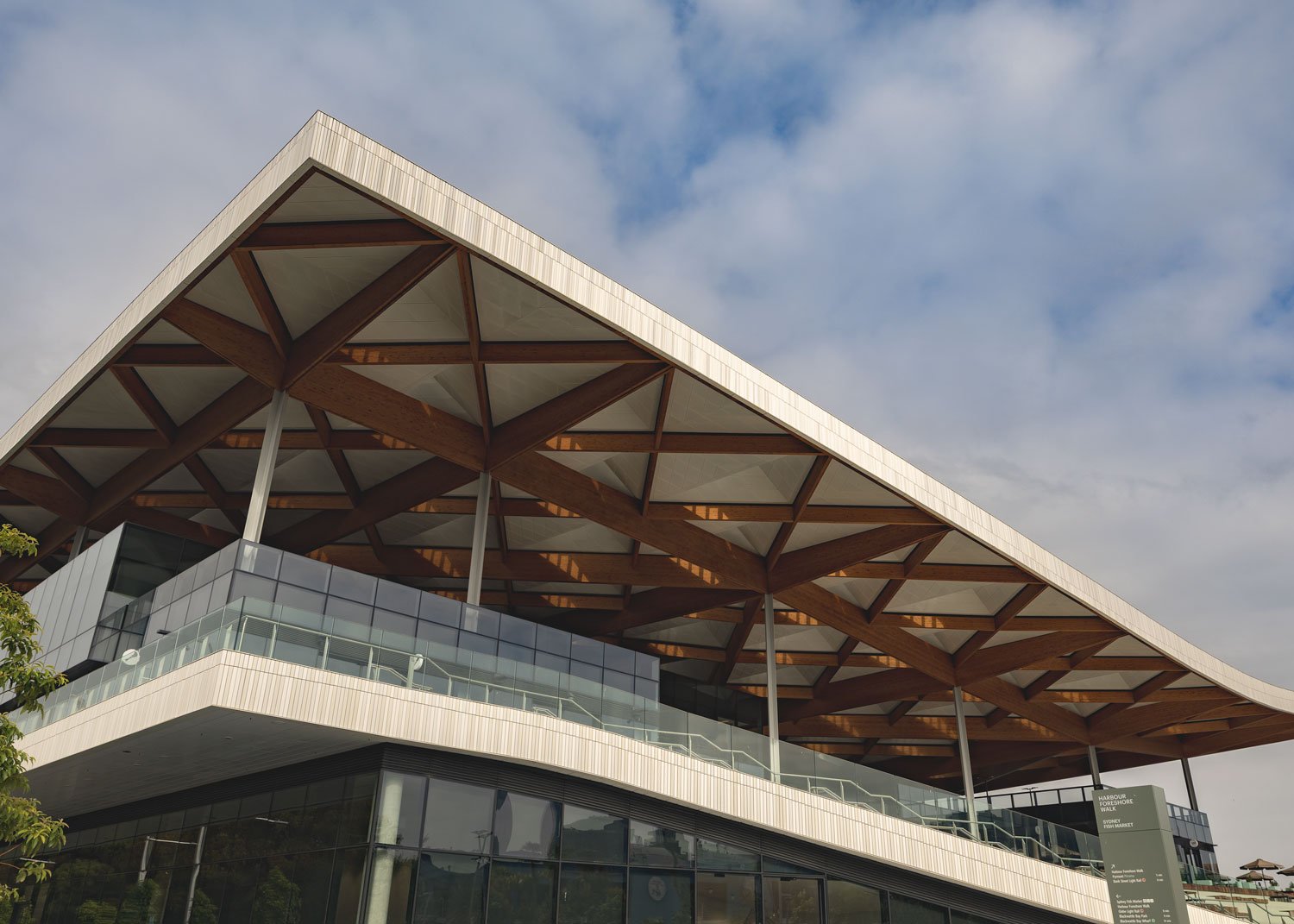
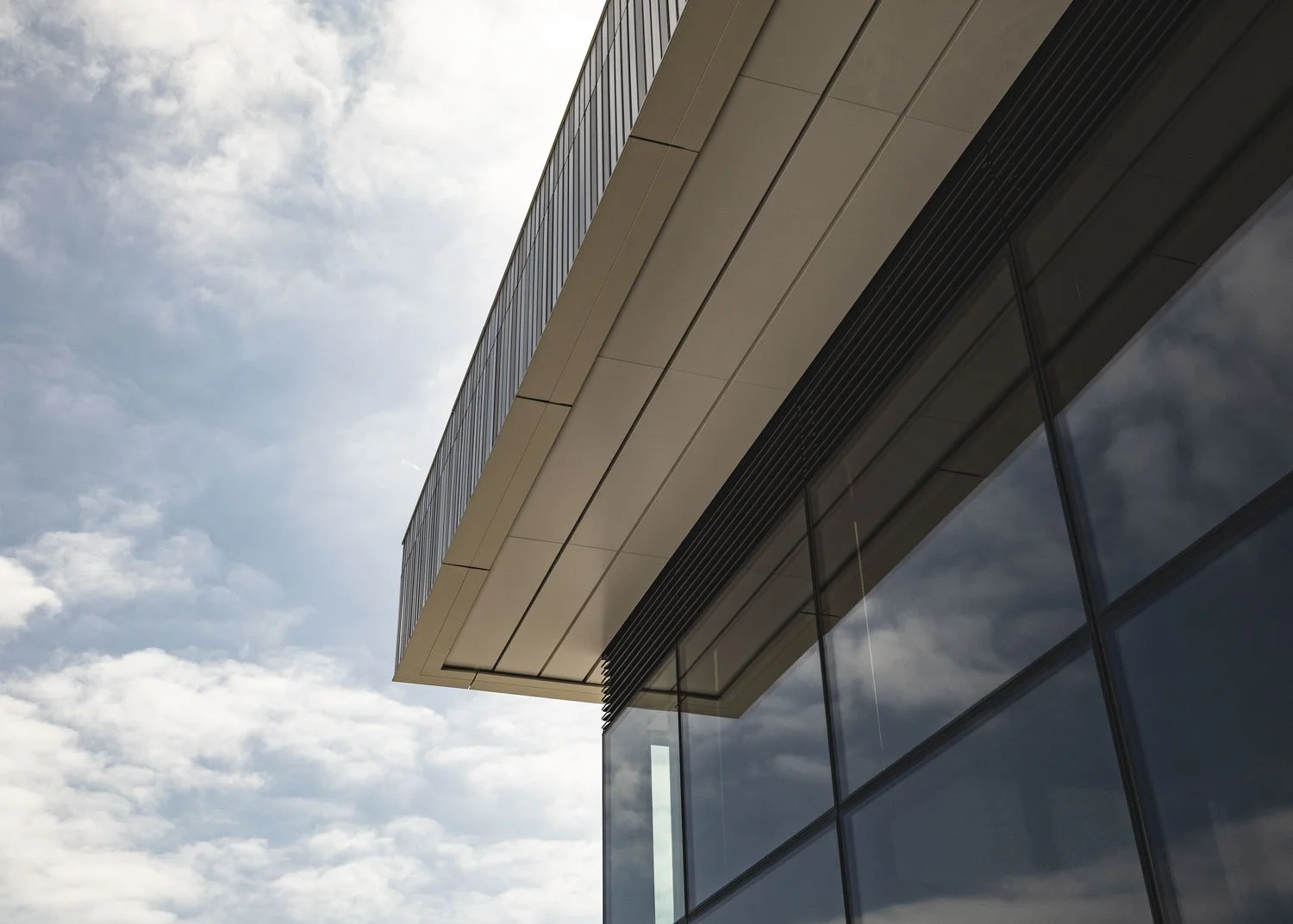
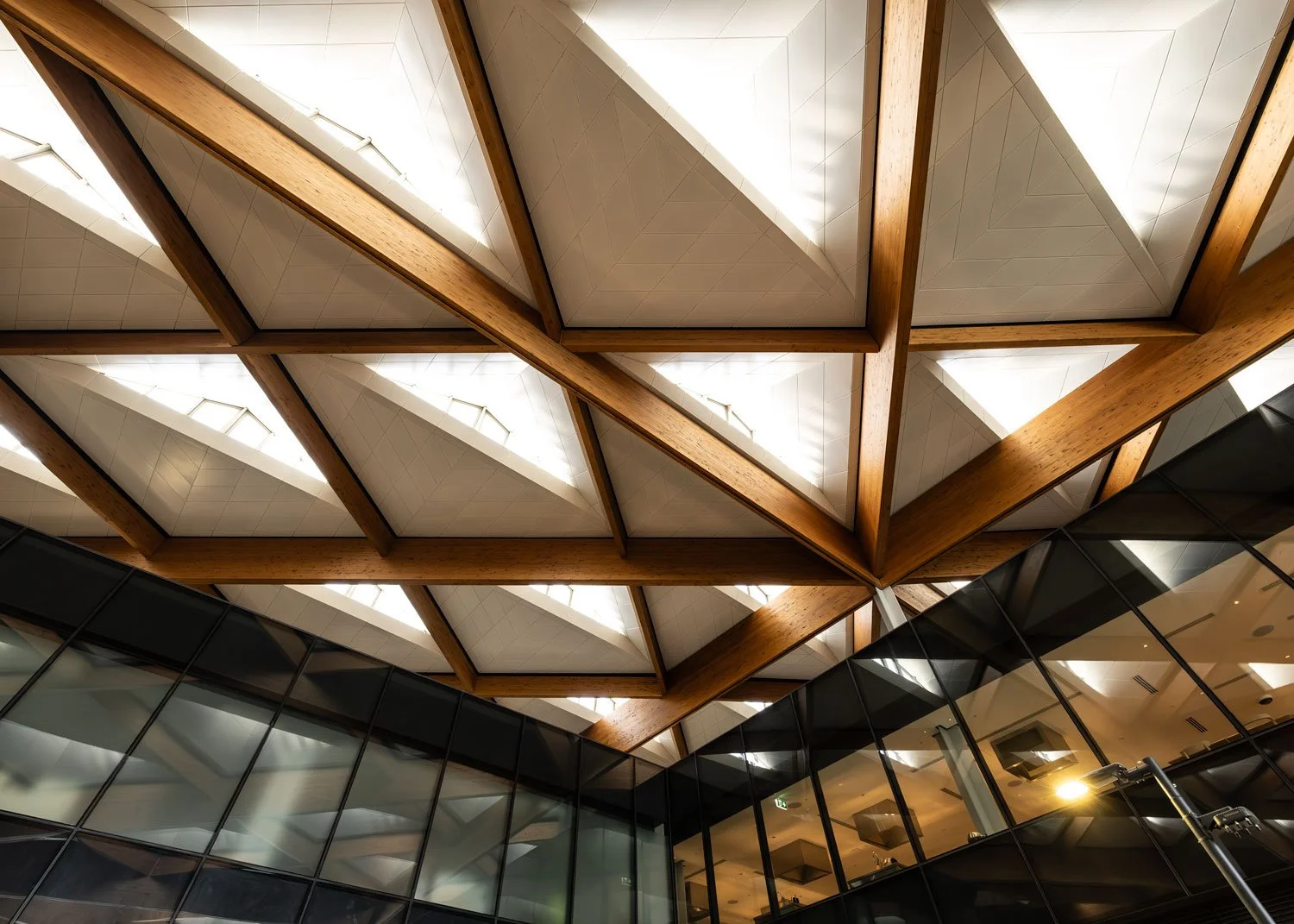
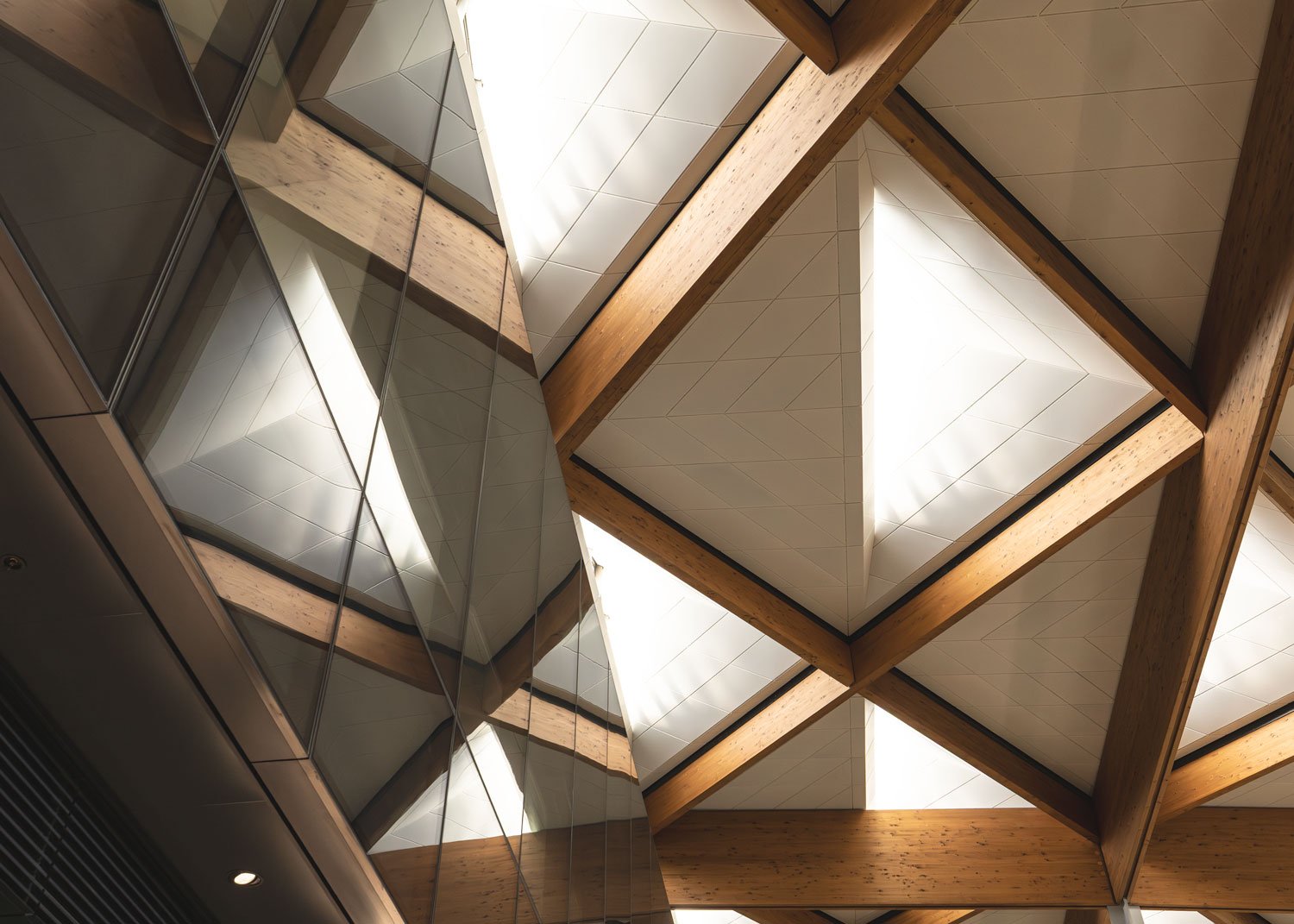
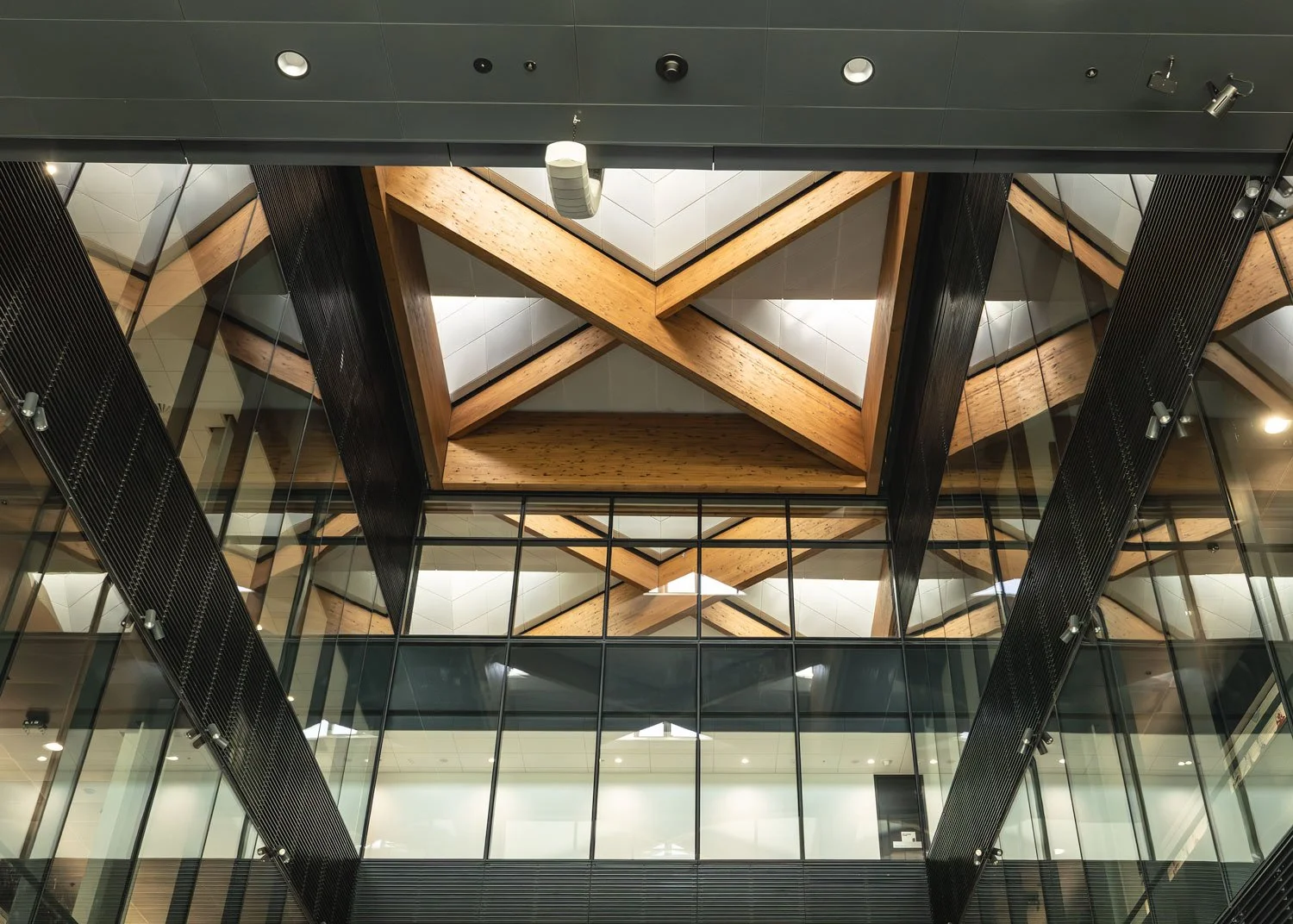
Designed by internationally acclaimed Danish architects 3XN/GXN, in collaboration with BVN and Aspect Studios, and built by Multiplex, it boasts a roof around the size of 4 football fields that is superb to look at from afar but also from underneath.

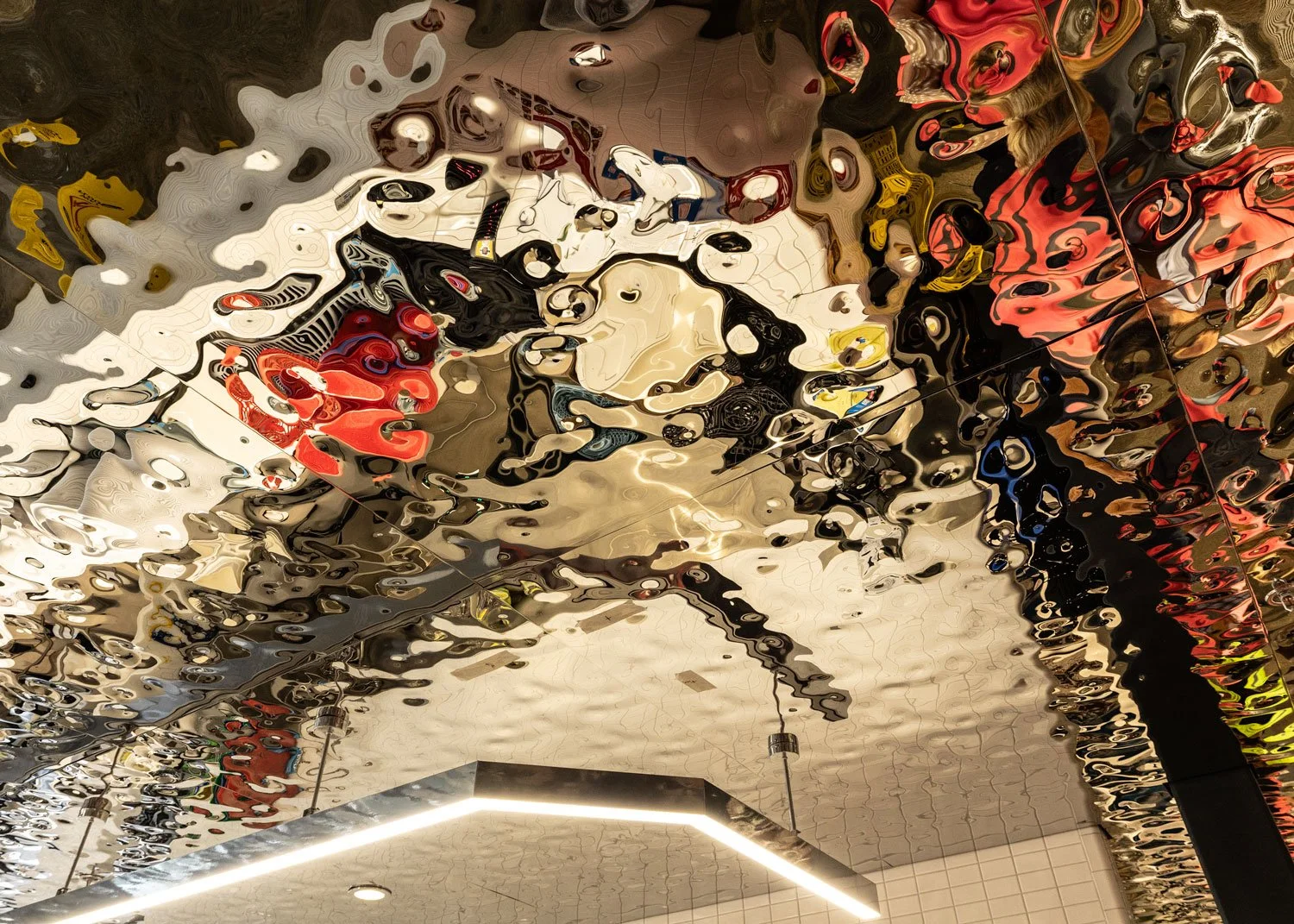
There was just something amazing about the dappled stainless steel ceiling above some of the fish vendors inside the building….what do you think?


MURU GILIGU (Path of Light), Sydney

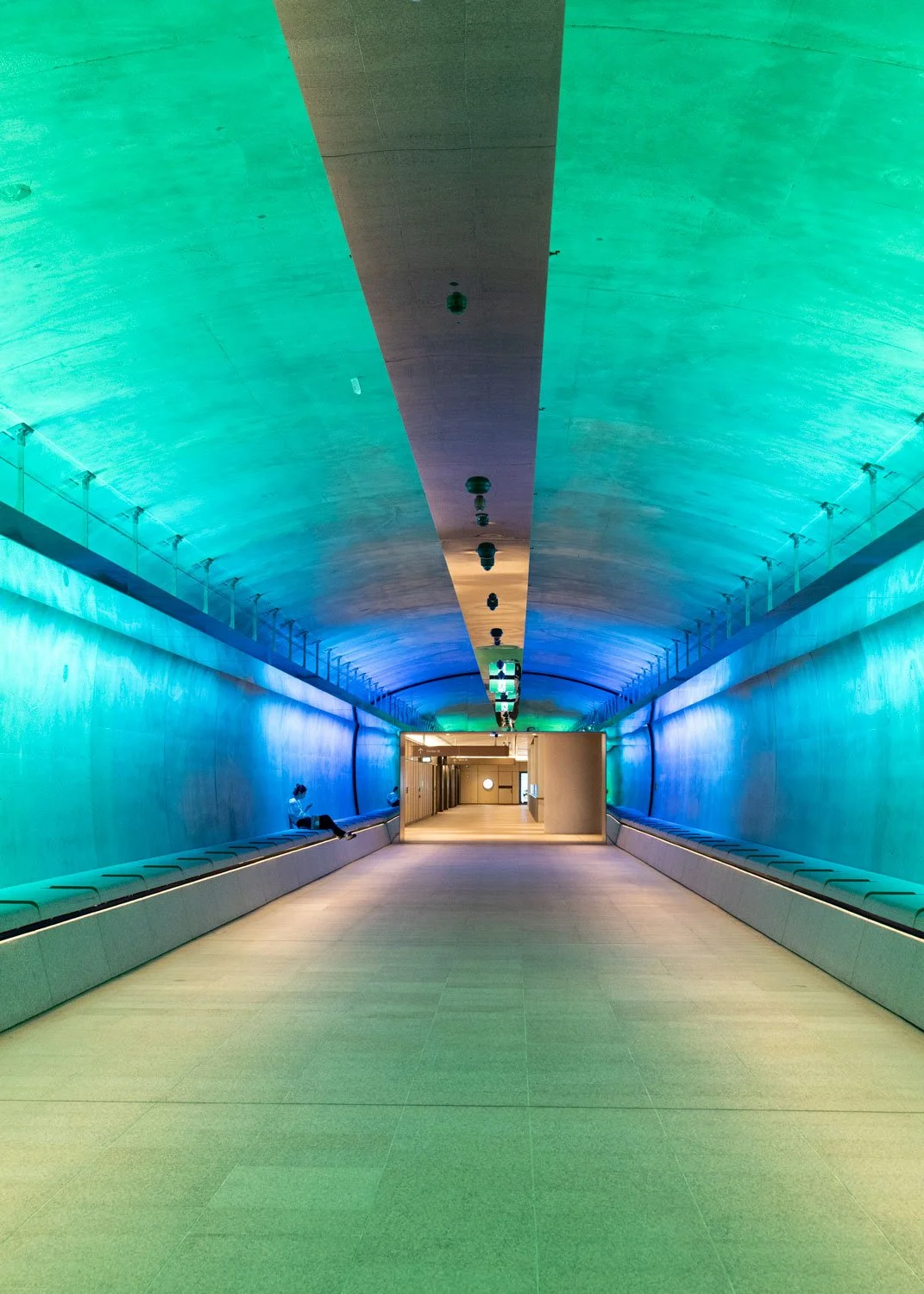
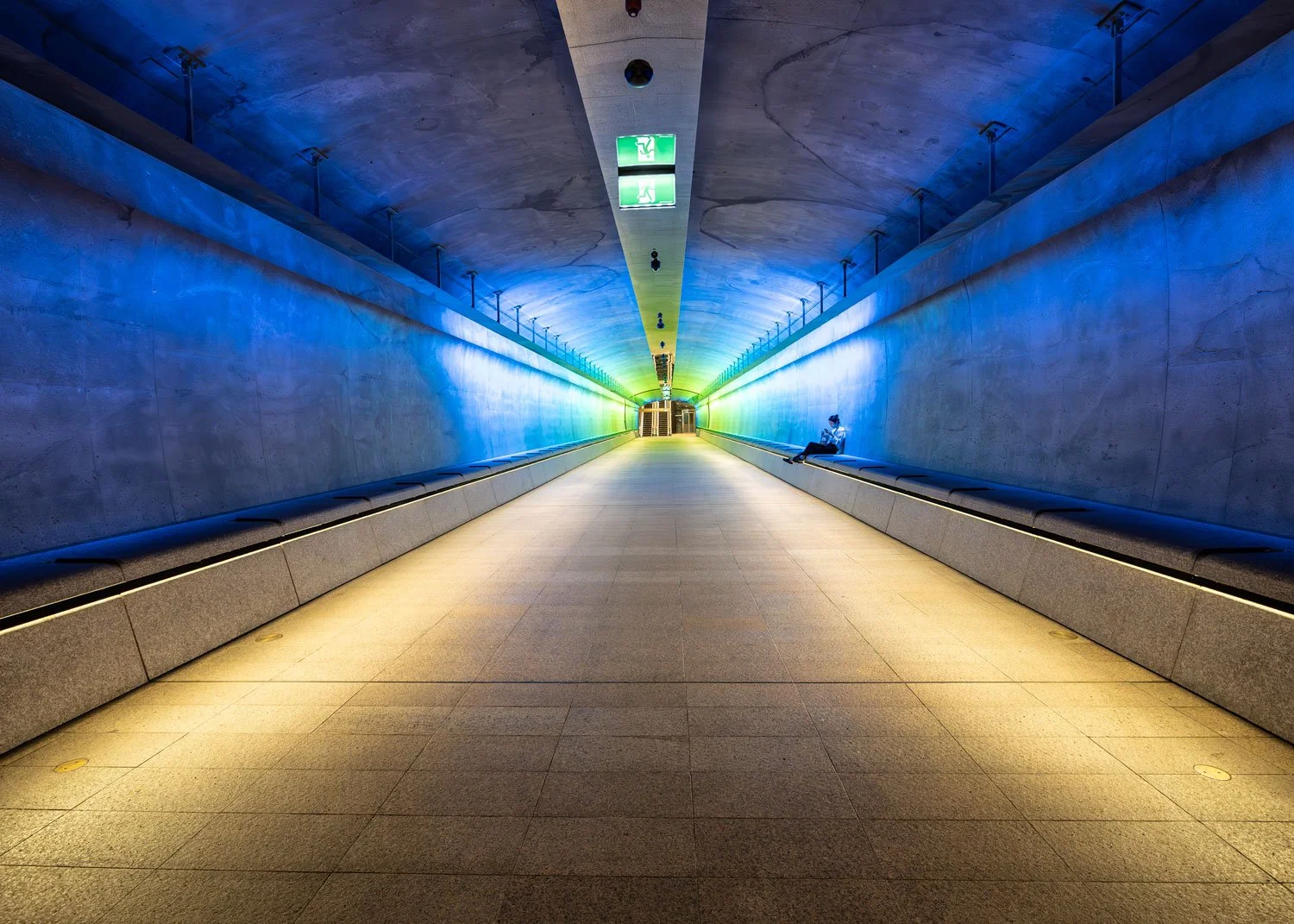
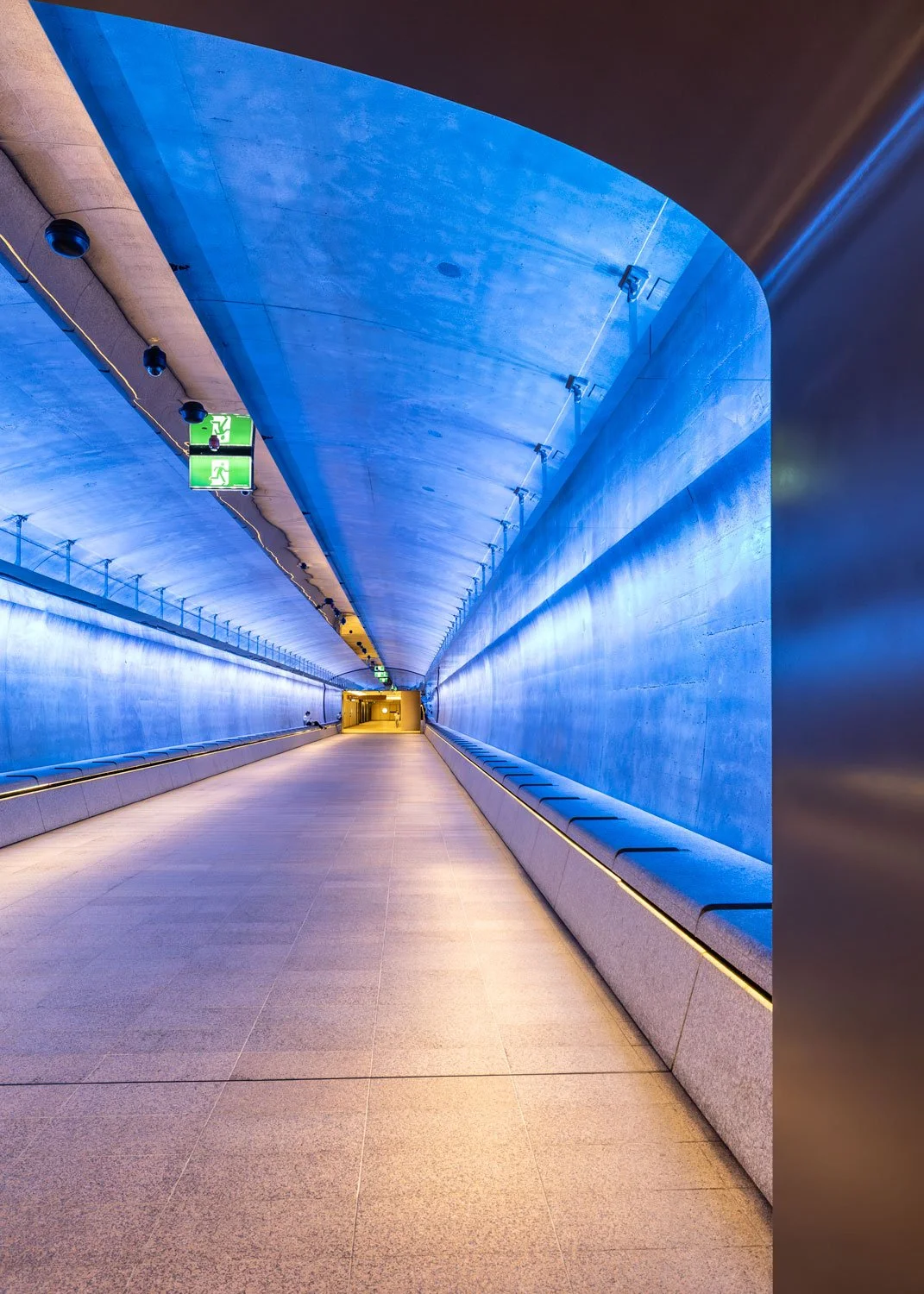
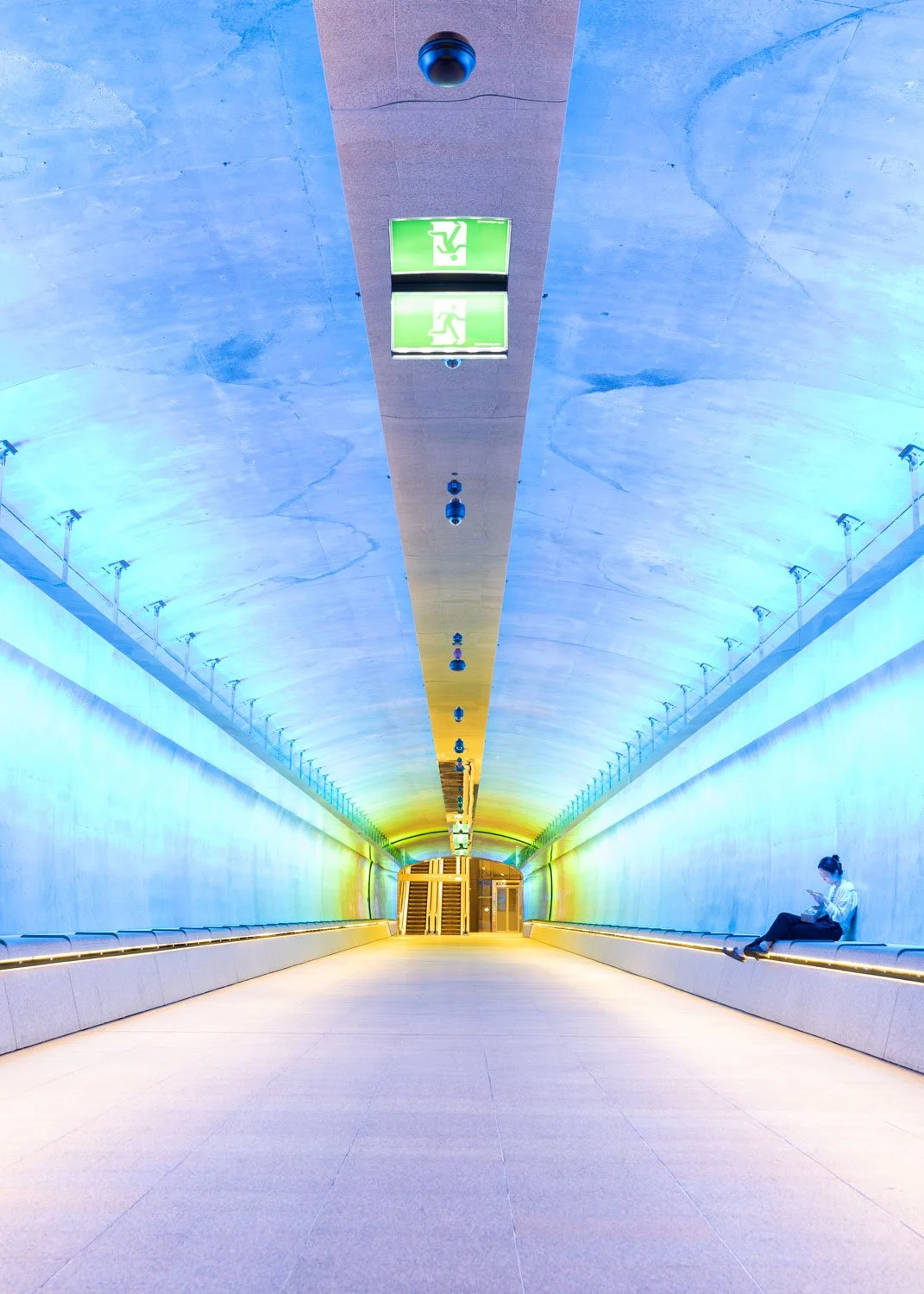
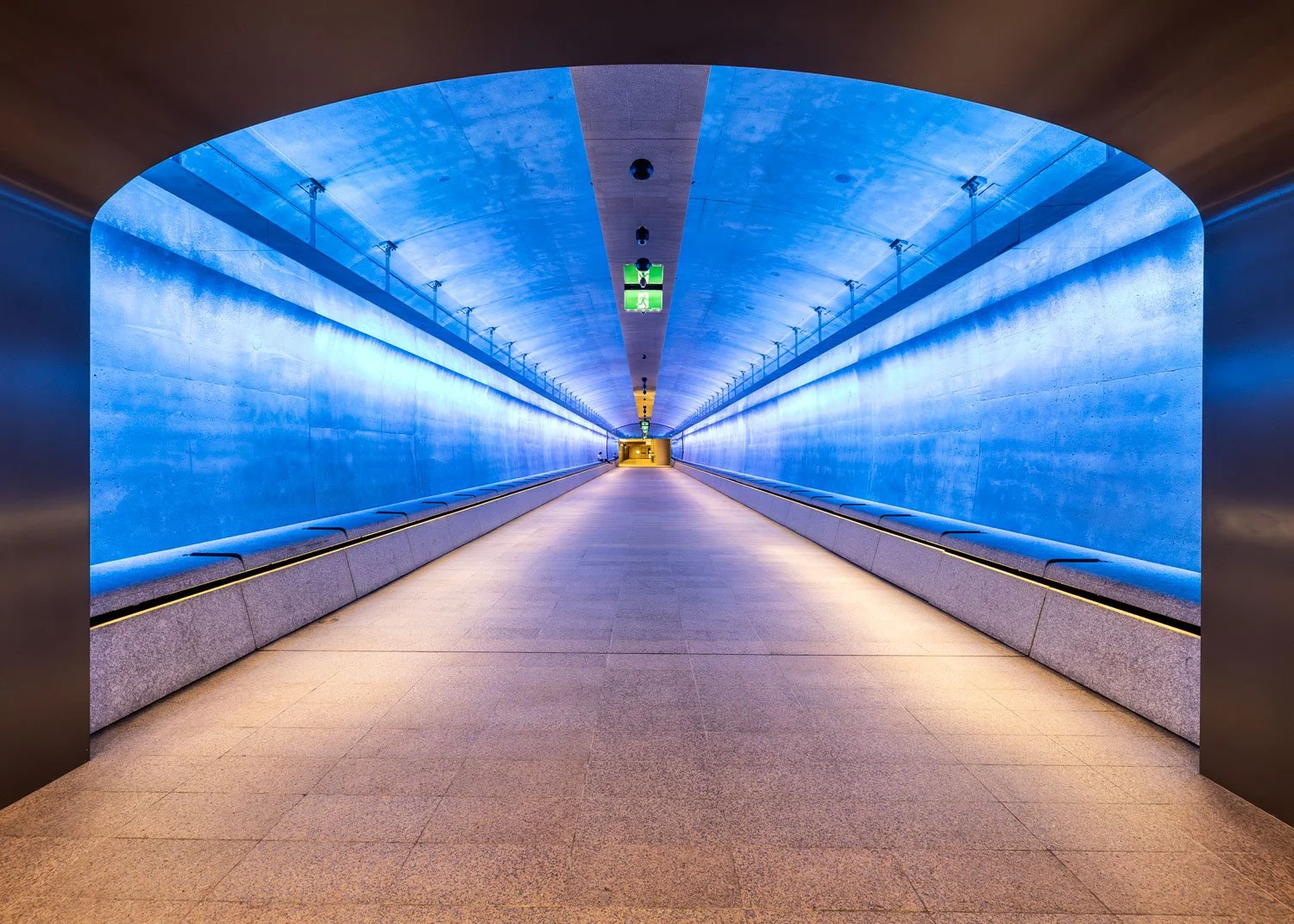
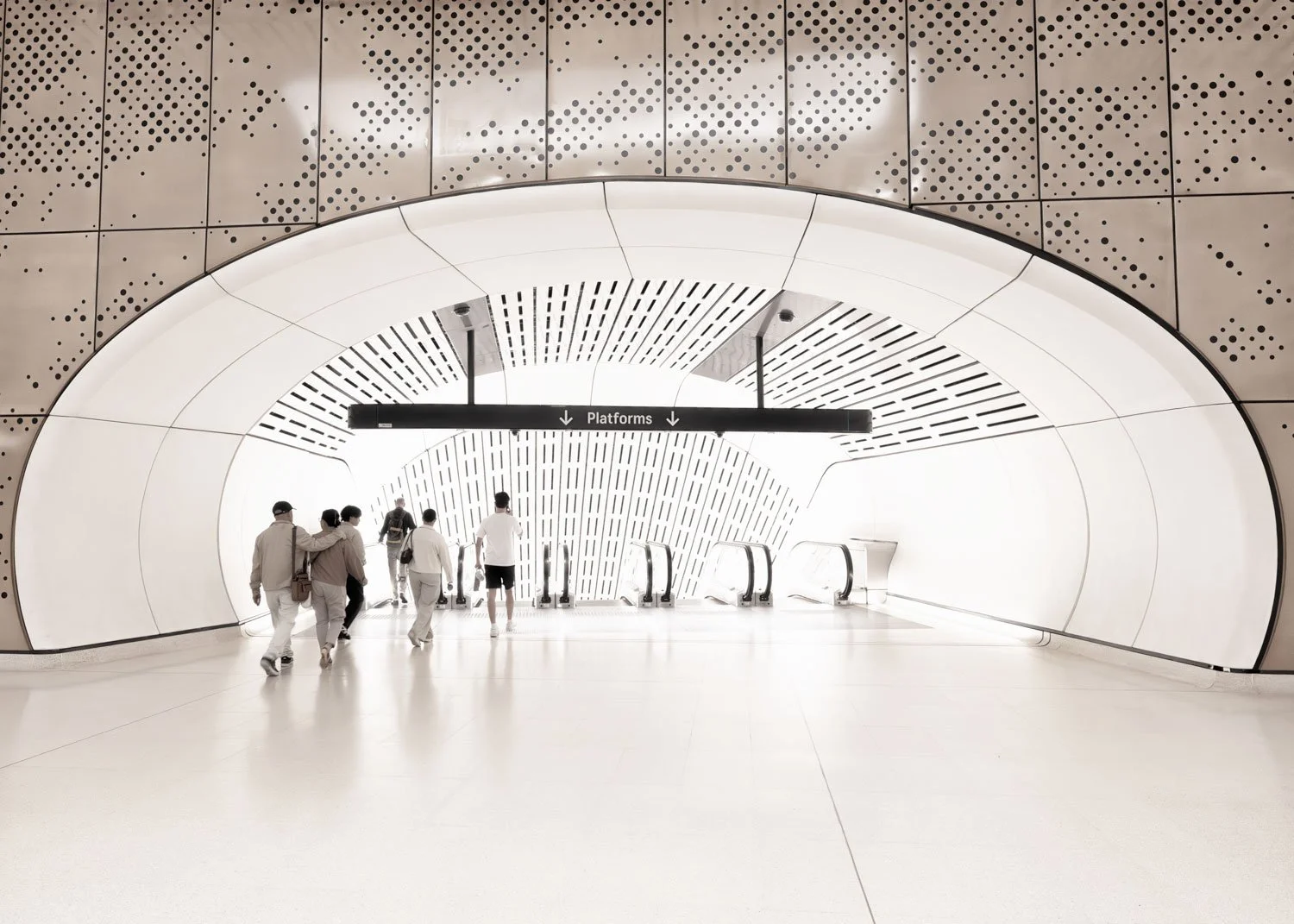
Muru Giligu (Path of Light) is a 67 metre long pedestrian tunnel linking the North and South concourses at Sydney Metro Martin Place. It is fascinating, using interactive colour-changing LED lighting, sounds and responsive sensors. It could be argued that it is a sensory overload but I found it quite relaxing and interesting. Like a mood ring or something.

What do you think? (feel free to click on images to see them larger).

The name Muru Giligu describes Sky Country, stars and navigation. The Gadigal people used these things to make decisions on the timing of spiritual ceremonies. The passing down of knowledge and information through active storytelling plays an important part of Gadigal culture.

Lighting Designer: Electrolight

Light + Audio Supply/ Controls: Xenian

Light + Audio Programming: iion/ David Hayes

Audio System Design: ARUP

Architect: Grimshaw Architects

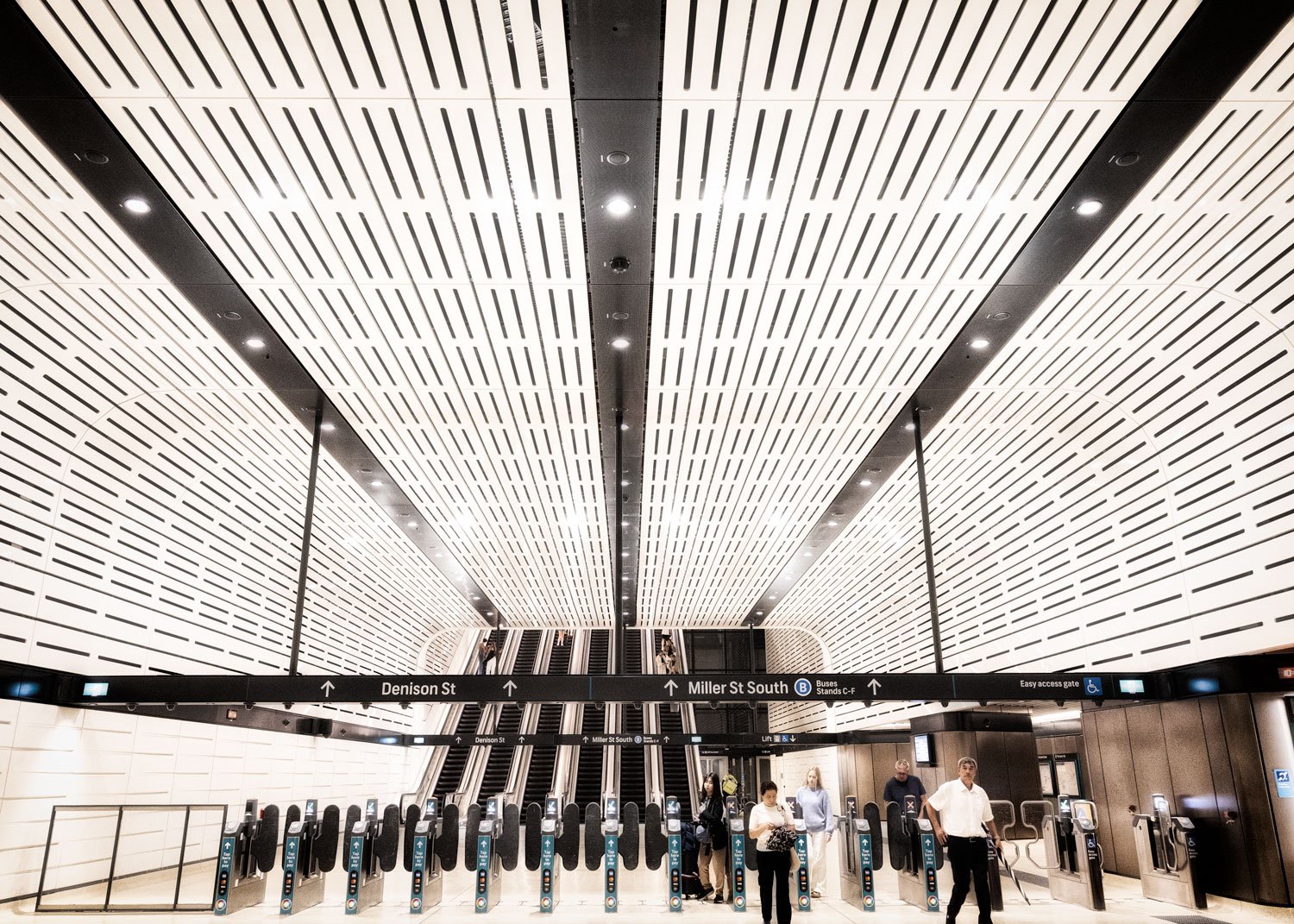
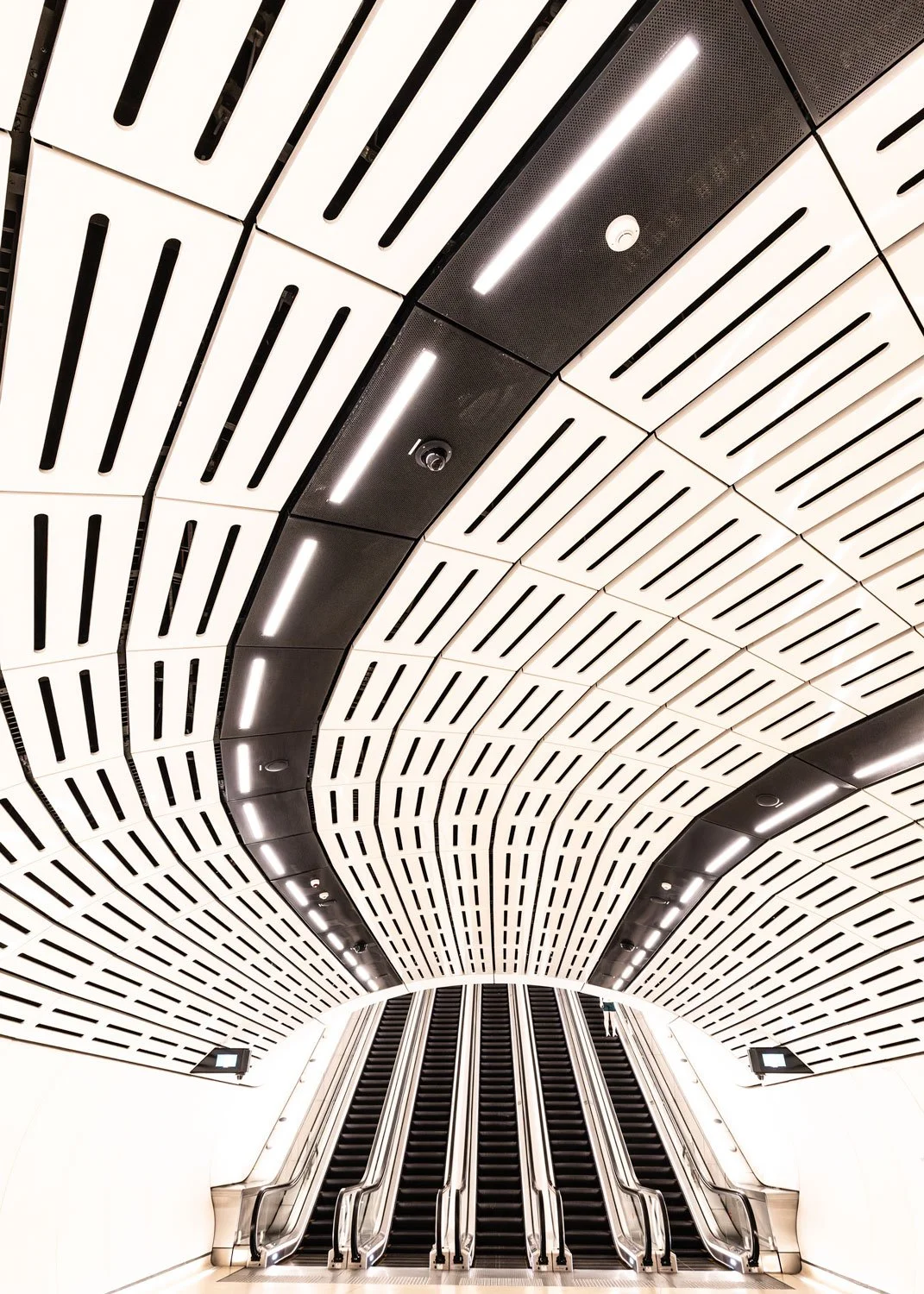
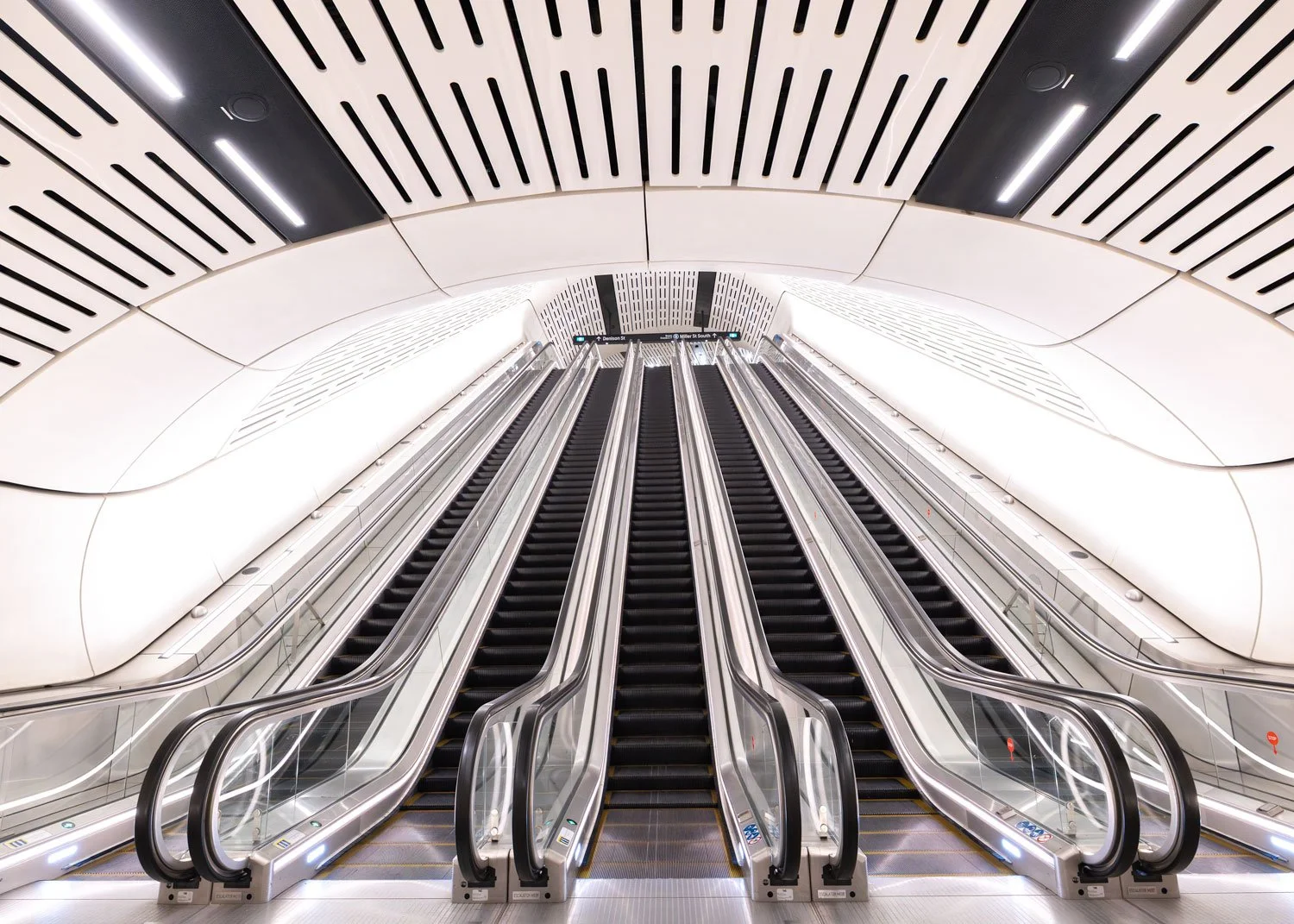
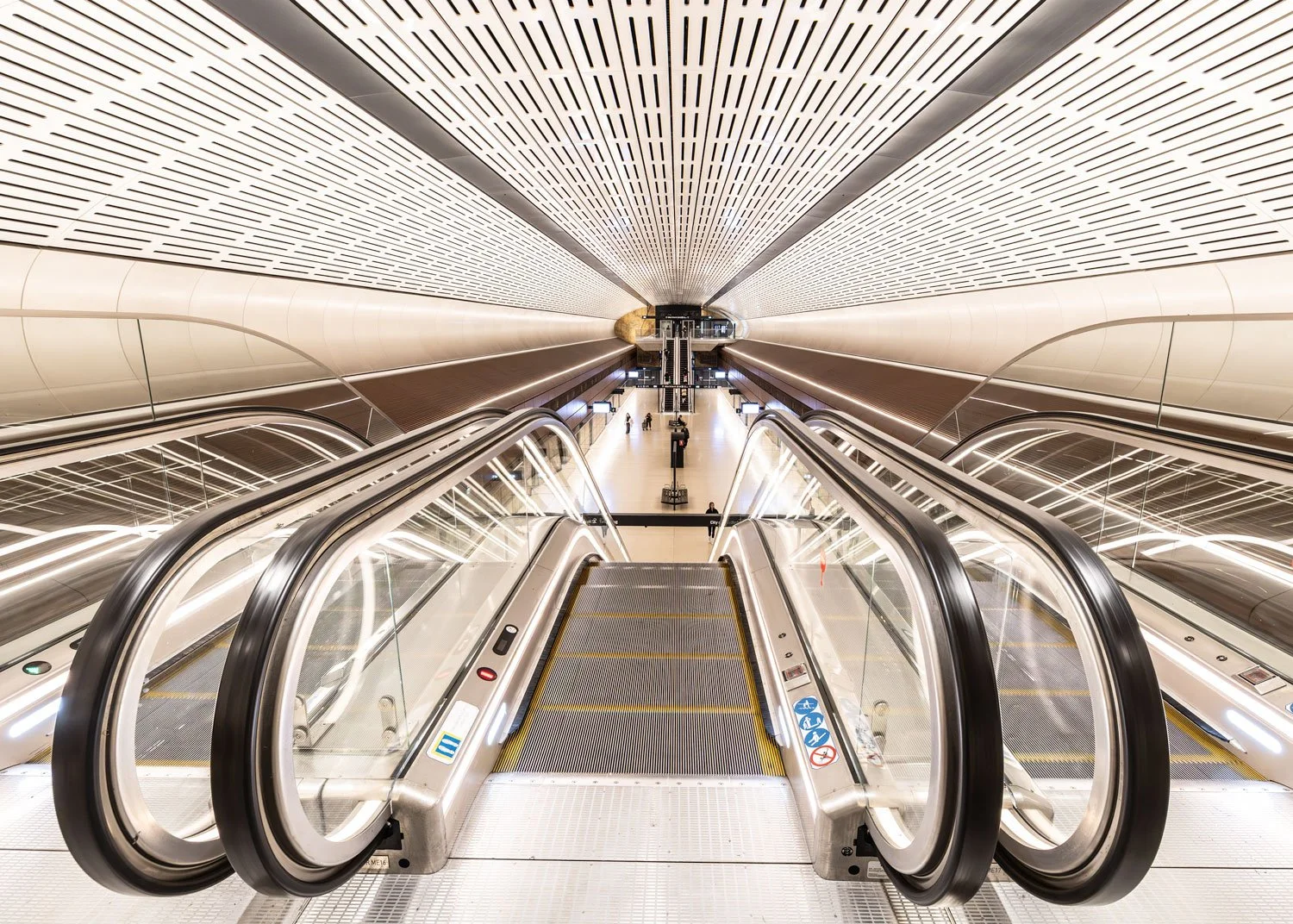
Victoria Cross Metro Station - Sydney Australia

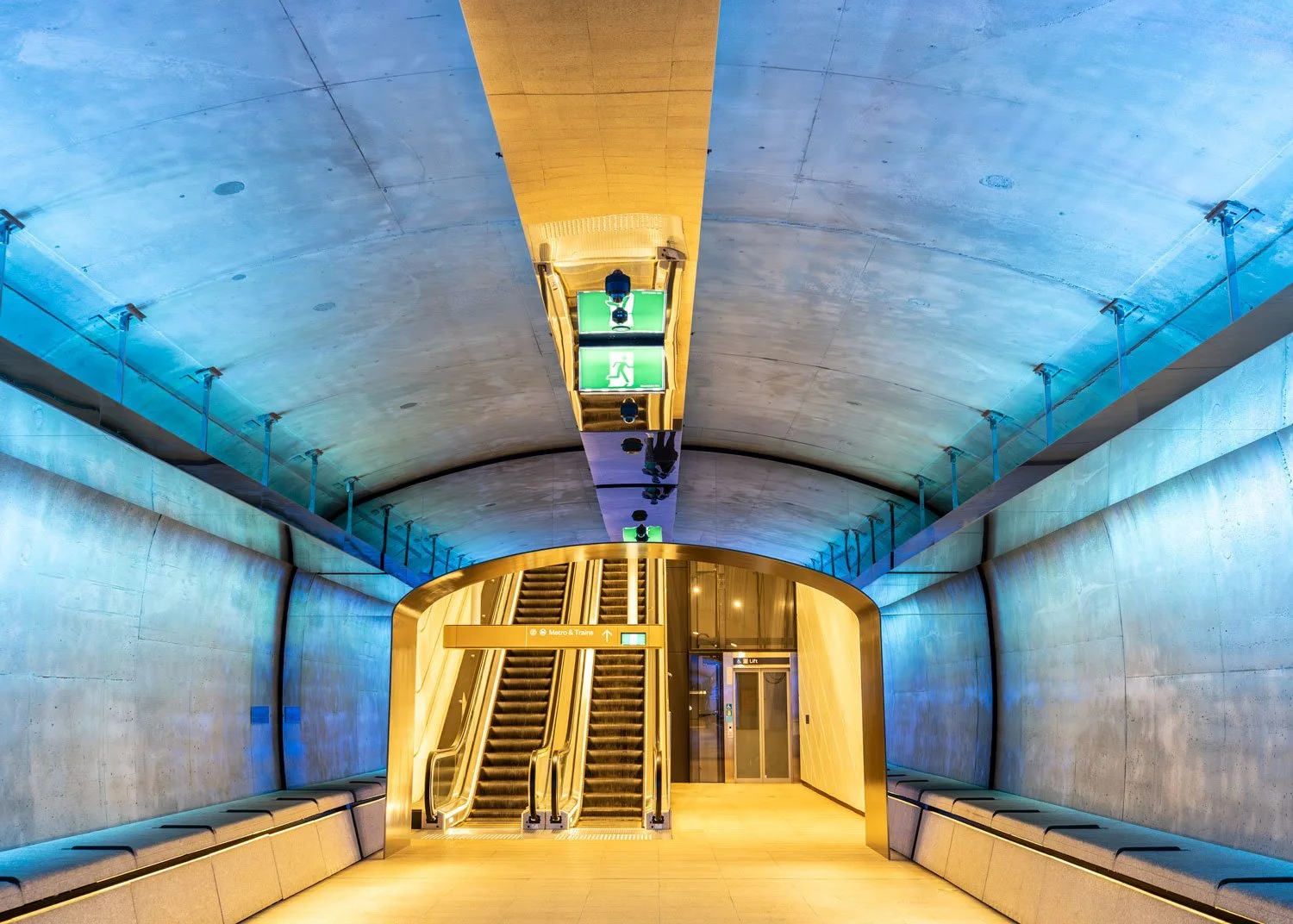
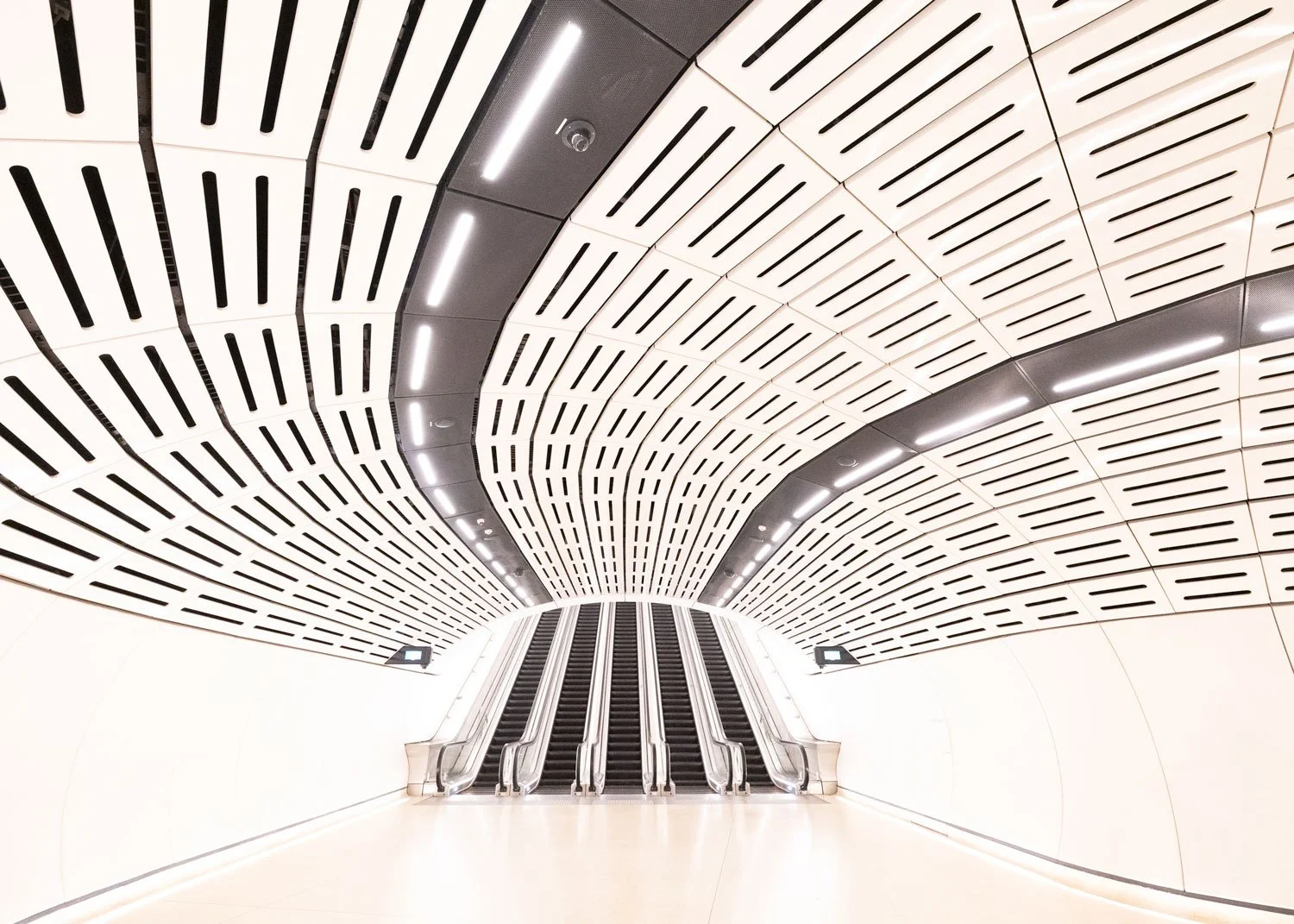
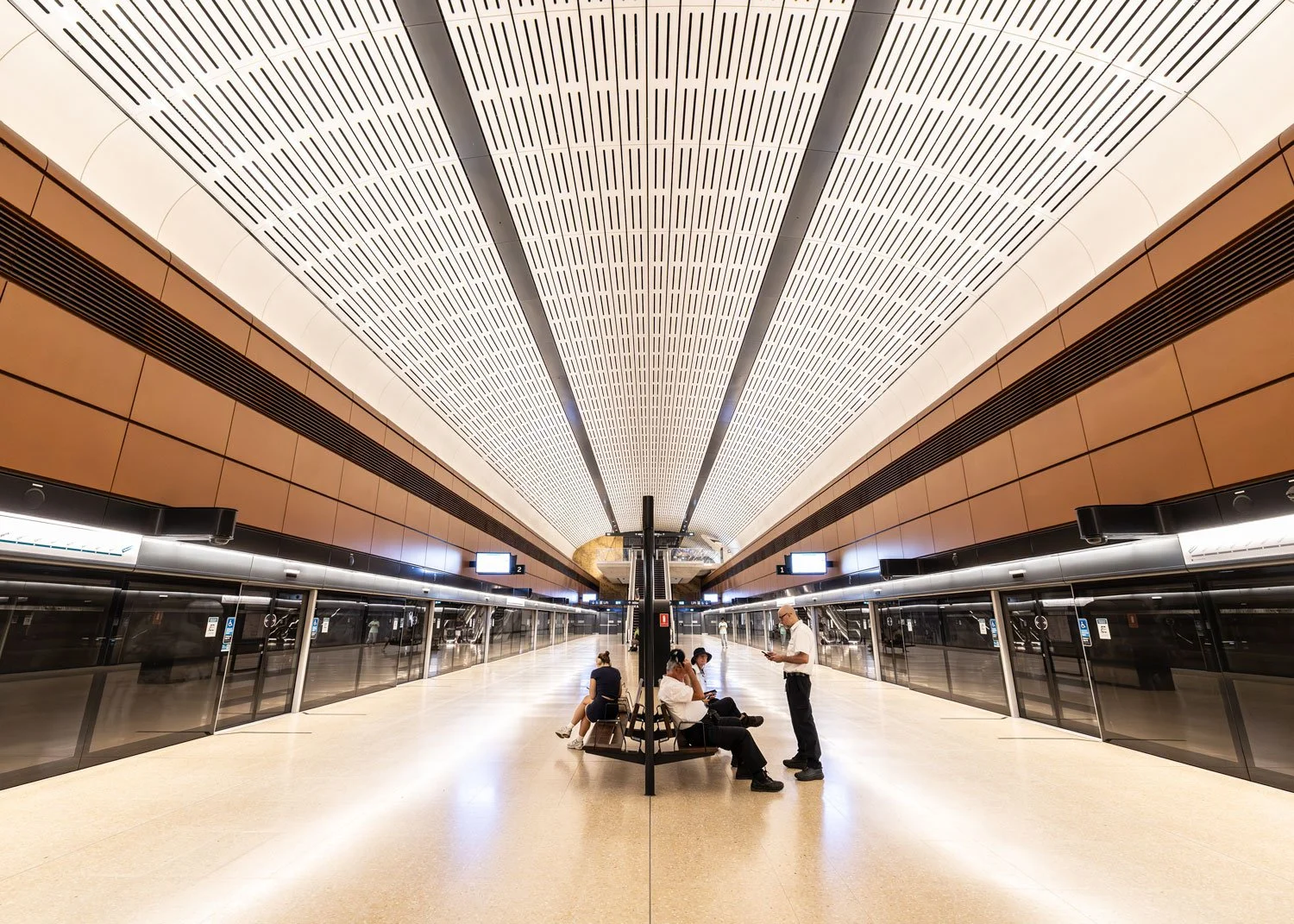
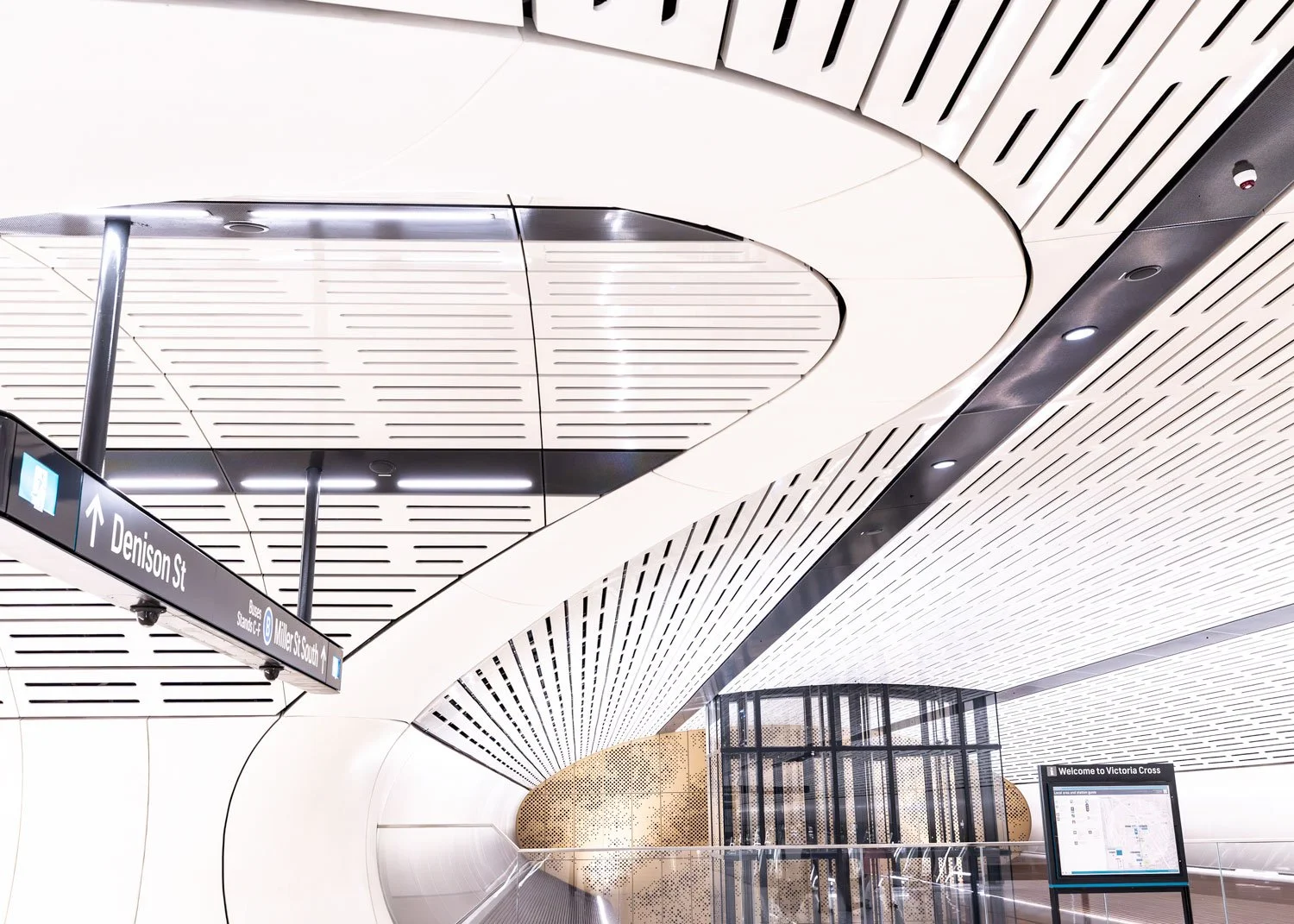
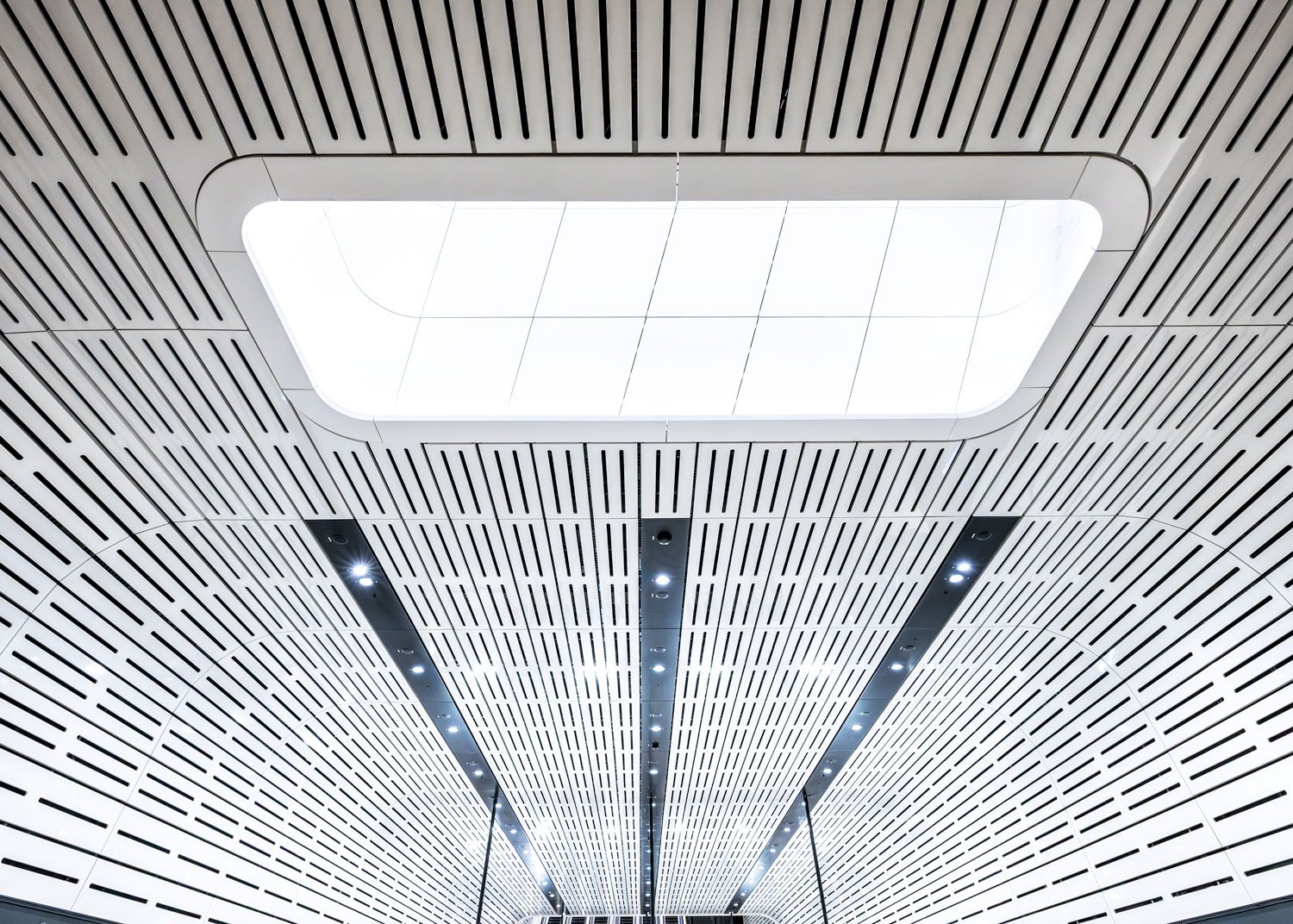
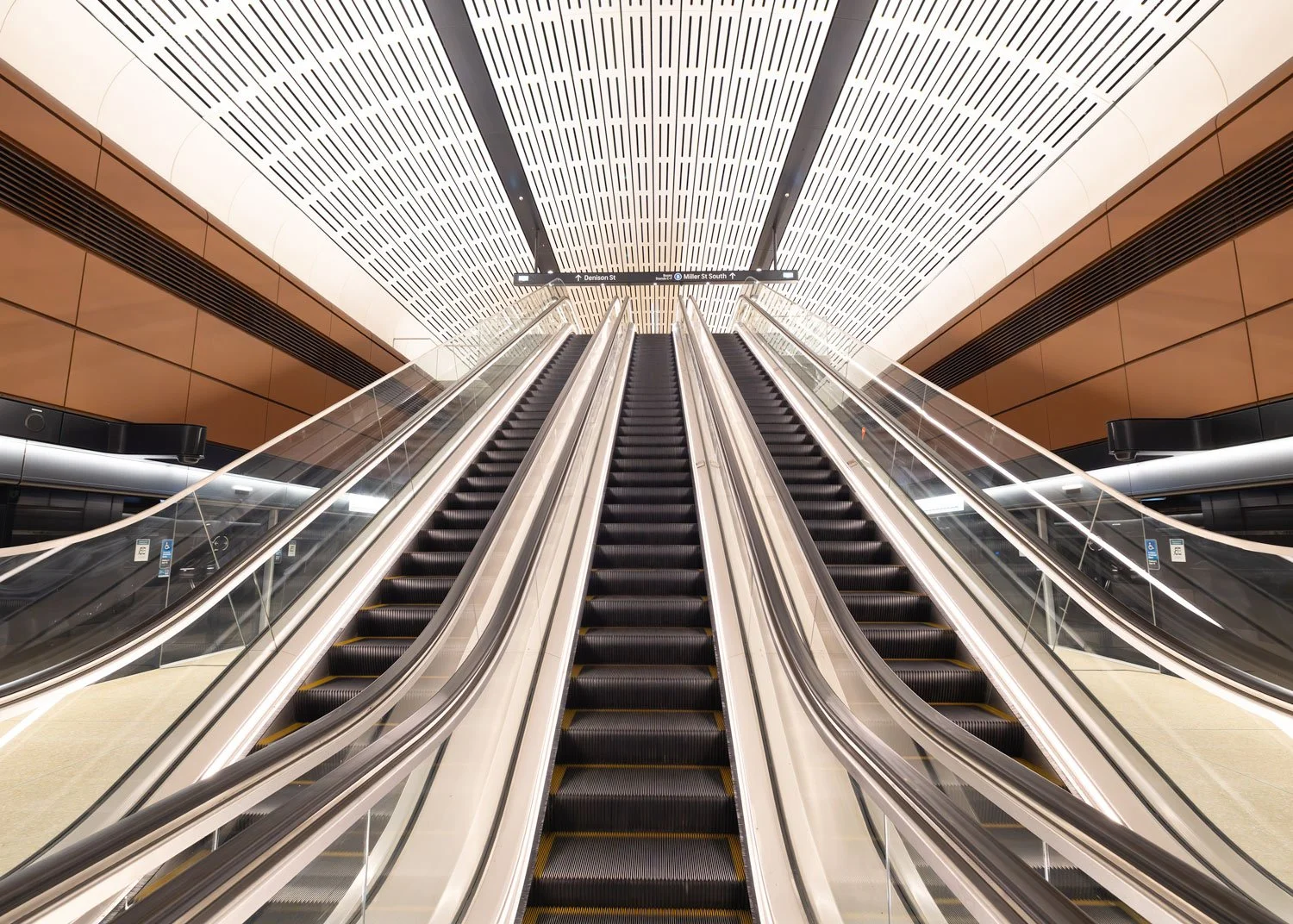
Photographing underground/metro stations in cities is one of my fave things to do when I travel. Some of the architecture and design is so beautiful to look at, as is the artwork and things of interest to make your time underground more enjoyable. Sydney Metro Victoria Cross Station in Australia is absolutely stunning and I could not stop finding more areas to photograph on my most recent visit. Feel free to Click on any image to see it larger!


The architecture, interior design, signage and wayfinding for the station was created by the team led by David Holm of Cox Architecture @coxarchitecture . The design aesthetic is a futuristic look.


My tips for photographing the station are: if you prefer images with few or no people, wait a few minutes until after everyone leaves the metro and departs out of the exits, and choose slower traffic times. I don’t mind people in my photos sometimes (expecially if it’s one person on their own) but other times I prefer no people (and yes, you could edit them out later but it’s far too much editing time for me!). When I’m holding my camera up to my eye, I can usually sense if there are other people around, and I’m quite happy to let them go before taking a photo (let’s all be conscious of other people trying to get somewhere!). I usually find strangers quite accommodating and friendly, and interested in what I am doing.


I like to use a wide angle lens, my Canon RF15-35mm f2.8 IS USM. I love my wide angle however…it can cause issues with distortion and when you are photographing symmetrical things, it can really mess you up!


Initially I had my white balance settings on cloudy/shade, which is what I use mostly for landscapes. But I changed it to get more of the white/ almost high-key effect. Always hand-held, with manual settings, and always viewing through the lens once I pick a spot to photograph to create a composition. In particular I look for curves, lines, and interesting textures, ALL OF WHICH feature at this station.


I edited these images very lightly: mostly I used de-noise in Lightroom, and tried to adjust any straightening/ symmetry issues. It’s always better to get it right ‘in camera’ and I work really hard at doing this. It is most annoying when everything doesn’t line up perfectly, and I’m still learning!


What do you think about this station? Please leave a Comment below!

GEAR TALK

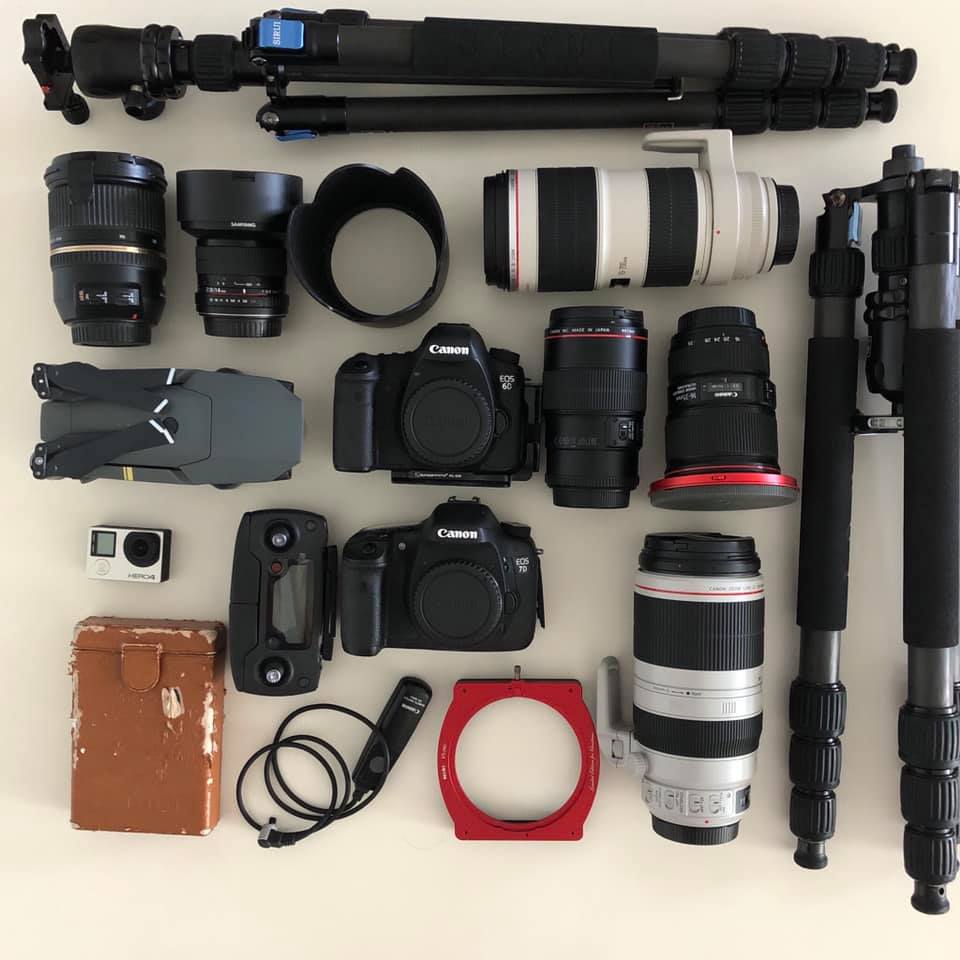
I seem to be amassing large amounts of gear, but it’s all used regularly, trust me!! I shoot my landscapes and portraits with a Canon 6D - I keep meaning to upgrade to a 5-series actually, but my camera really cops a lot of salt spray and corrosion and dampness, every single day, so I’m not sure I need to upgrade just yet. I’ve already had the insides removed and replaced due to salt corrosion, so it will keep me going for a while yet! I also use a Canon 7D, a crop sensor body. I use that for action, surf, sports and wildlife mainly. My lenses cover a wide range. I will list them here, and let you know what I use them for:

  • Canon 100mm f2.8L - macro lens (flowers, tiny things) and portraits

  • Canon 16-35mm f4L - my main landscape lens, wide angle

  • Samyang 14mm - super wide angle, i only use this for astro photography

  • Tamron 24-70mm - such a sharp lens, a perfect all-rounder. I can use it for landscapes as well as portraits, and great for street photography!

  • Canon 70-200mm f2.8L ISii USM - the most AMAZING lens I own! gorgeous bokeh for portraits, incredible sharpness

  • Canon 100-400mm f4.5-5.6L ISii USM - perfect for surfing and wildlife shots.

Can I tell you guys……it’s taken me quite a while to figure out what I want and need in lenses. I tried a Canon 17-40mm (didn’t like it). I tried a Canon 50mm (didn’t like it), I tried a Canon 85mm (didn’t like it). Lenses are such a personal thing and it depends on what you use them for. There are companies around who rent out lenses. I suggest you try to rent one before you invest in buying one!! Also, invest in the BEST glass you can afford. I saved up for the 70-200 for ages before I could afford to buy one, and it will never leave my possession. it’s that good, so it was worth the wait!

I use Sirui tripods, the W-series. They are waterproof and carbon-fibre. They are fantastic at being constantly in salt water and sweltering in the boot of my hot car. I’ve got my regular one, the W2204, and recently I acquired a W1204, it’s a little bit smaller in size and lighter, so i use that for travel.

I made the investment into NISI filters a couple of years ago, and I use them almost every day. I use the v5 square system, a selection of Neutral Density (ND) filters: a 3-stop, 6-stop and 10-stop, plus a few graduated filters, and Circular Polarising filter, and a Natural Light filter. Interestingly, filters are the number one thing my students want to learn, so I teach how to use them, and how to get the best out of them.

What else do i have …..hmmm well I have a GoPro Silver Hero4 which is fantastic when I go stand-up paddling, and I fly a DJI Mavic Pro drone whenever I get the chance (I’ve posted some images in my gallery, check them out!).

I use a LowePro Flipside 400AW backpack. When I travel….hmmm depends where I’m going and my needs when i get there, but sometimes I fill the backpack and then it fits perfectly INSIDE a hard shell carry-on case, so it’s then on wheels (best thing ever). Sometimes I just carry the backpack on my back, pretending it hardly weighs a thing (tip for getting through at airport check-ins). It doesn’t fit ALL of my gear but I pack according to what I’m going to need! Tip: bring a non-photographer with you when travelling so they can carry some of your gear ;)

As most photography-related brands come out with new gear all the time, unless you are sponsored by the brands and given the use of gear as it updates, it’s hard to keep up, and frankly, quite expensive. I would rather spend my money on travel (so far i’ve travelled to 7 continents…Antarctica was my absolute fave!).

Anyway, i’m always around to answer any questions you may have about my gear, just flick me an email! x